Hello everyone, welcome back to my blog. Today in science, we learnt about ‘The water cycle’.
Achievement Objective:
Planet Earth and Beyond: Earth Systems – Investigate the water cycle and its effect on climate, landforms, and life.
Learning Objective:
Students will describe the stages of the water cycle and create a diagram that accurately represents these stages.
Water
Liquid –
- Rain
- Hail
- Snow
- Sleet
Solid
- Ice
Gas
- Steam
- Water Vapour
Water cycle
If all the water on Earth is continually cycled in this way, with no ‘new’ water being created, where did all the water on Earth come from originally?
What is the water cycle?

The water cycle describes how water evaporates from Earth’s surface and the oceans because of the heat from the Sun, rises into the atmosphere, where it cools and condenses into rain or snow in clouds, and falls back to the ground as rain, hail and snow.
Understanding the water cycle
Rain is a natural phenomenon that is linked to the water cycle, a continuous process that regulates the distribution of water on Earth.
The water cycle, the processes of evaporation, condensation, and precipitation that occur to maintain the Earth’s water balance. Rain is a direct result of the water cycle, serving as a vital component of this natural process.
The water cycle is like a big, magical loop that keeps water moving around our Earth. Let’s follow a drop of water on its amazing journey.
Evaporation
Imagine you’re outside on a sunny day. The sun shines down and warms everything up. When the sun’s heat warms up rivers, lakes, and oceans, the water starts to change. It turns into a gas called water vapour. This process is called evaporation. It’s like when you see steam rising from a hot pot of water.
Condensation
As the water vapour rises up into the sky, it gets cooler. When it gets cool enough, it changes back into tiny drops of water. This is called condensation. These tiny drops come together to form clouds. So, clouds are really just made up of lots of little water drops!
Precipitation
Now, the clouds are floating around, full of water drops. When the clouds get too heavy with all that water, the drops fall back down to Earth. This falling water is what we call precipitation. Precipitation can be rain, snow, sleet, or hail, depending on the temperature. If it’s warm, we get rain. If it’s cold, we might get snow.
Collection
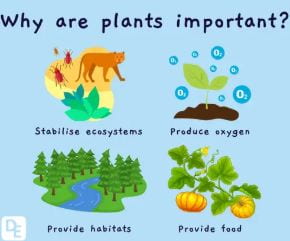
Once the water falls to the ground, it needs to go somewhere. It collects in rivers, lakes, and oceans. Some of it soaks into the ground and becomes part of the underground water supply. Plants and trees also drink up some of this water to grow.
Ace, Pro, Legend – Questions
legend
1. Explain in detail the water cycle.
The water cycle is the continuous movement of water on Earth. It starts with evaporation, where sunlight heats up water in rivers, lakes, or oceans, turning it into water vapour. Then, the vapour rises and cools, leading to condensation, where it forms tiny water droplets that come together to create clouds. When these clouds become too heavy, the water falls back to Earth as precipitation, which can be rain, snow, sleet, or hail. Finally, the water collects in rivers, lakes, and oceans, ready to start the cycle all over again.
2. Describe two ways water enters our atmosphere.
Water enters our atmosphere mainly through evaporation, where water from oceans, lakes, and rivers turns into vapour due to the heat from the sun. Another way is through transpiration, where plants release water vapour into the air from their leaves.
3. Why do the sea levels not drop when water is evaporated from it?
Sea levels don’t drop because the water that evaporates eventually falls back to Earth as precipitation. Plus, water cycles between different forms (like gas and liquid) and doesn’t disappear, it just changes form.
4. Where does water come from?
Most of the water on Earth comes from the early days of our planet when it formed. Some of it came from comets and asteroids hitting Earth, while some was released from volcanoes. Today, the water on Earth is recycled through the water cycle, meaning we are using the same water that has always been here.
Thanks for reading,
Shreeya










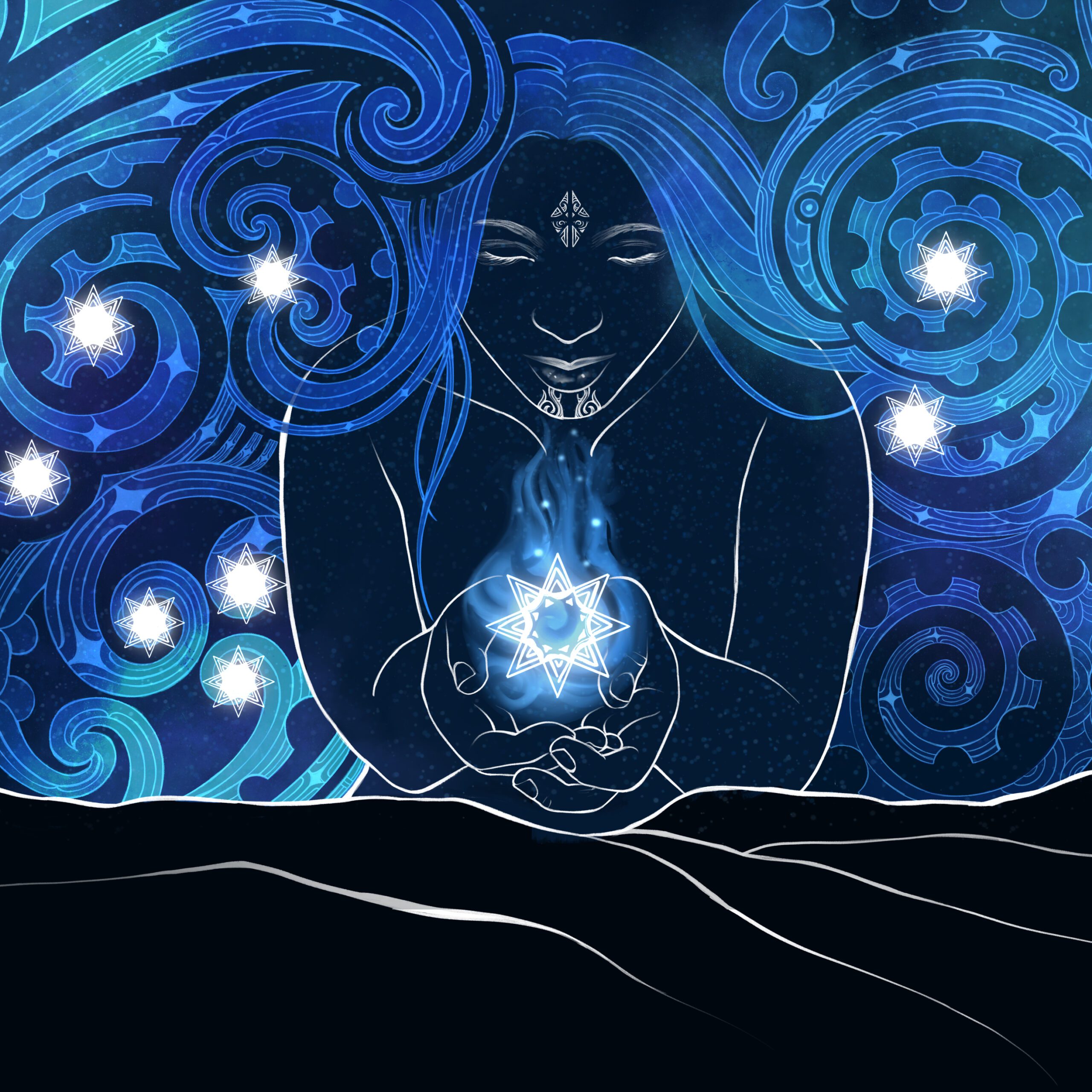
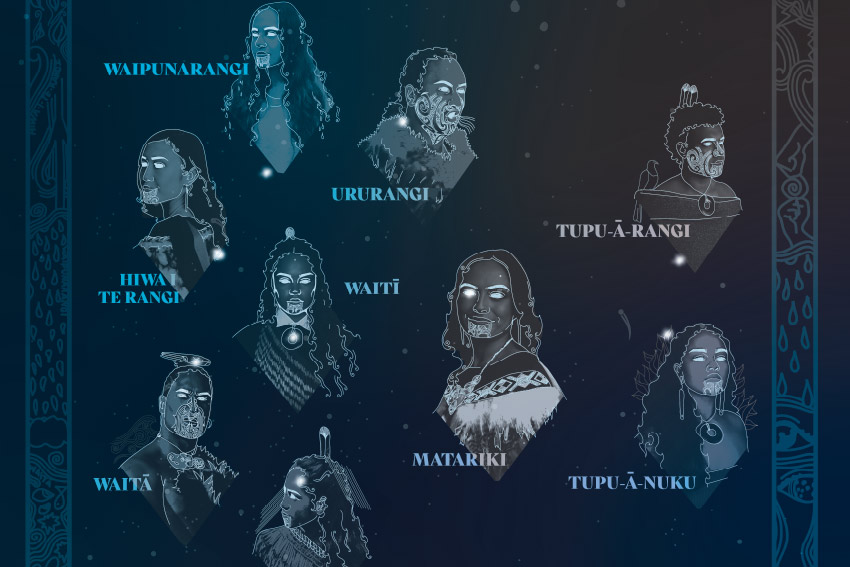
 Matariki is celebrated in various ways, including family gatherings, singing, dancing, and feasting. People might engage in activities such as storytelling, planting seeds for the upcoming year, or even creating artworks reflecting the stars. Celebrations also include community events where everyone can come together to learn and share.