Tag: Wk3

Threats to the Eco-system || Science Class

Hello everyone, welcome back to my blog.

Today in science class, we explored the topic of threats to the ecosystem. We examined various features of these threats and watched a video that explained what happens within our ecosystems. During the class, we focused on the impacts, and I learnt a lot. I hope you enjoy this blog post.


Threats to the Ecosystem 

There are many factors harming ecosystems, including:

  • Habitat destruction 
  • Climate Change 
  • Pollution
  • Invasive species
  • overfishing/overhunting


Destroying habitats

Description: The clearing of forests, draining of wetlands, and urban development reduce natural habitats for many species.


Impact on Ecosystems:

Rainforests: Deforestation leads to loss of species and disruption of ecological balance.

Wetlands: Draining wetlands for agriculture or development reduces water filtration and flood control capabilities.


Climate Change 

Description: Rising global temperatures and changing weather patterns affect ecosystems worldwide.


Impact on Ecosystems:

Coral Reefs: Increased sea temperatures cause coral bleaching, reducing biodiversity.

Polar Regions: Melting ice affects species like polar bears and penguins, altering  food chains.


Pollution

Description: Contaminants in air, water, and soil harm organisms and ecosystems.


Impact on Ecosystems:

Oceans: Plastic pollution harms marine life, and oil spills can devastate entire marine ecosystems.

Freshwater Systems: Pesticides and industrial waste contaminate water sources, affecting aquatic species.


Invasive Species

Description: Non-native species introduced to an ecosystem can outcompete native species for resources.


Impact on Ecosystems:

New Zealand Forests: Possums, stoats, and rats threaten native birds and plants.

Lakes and Rivers: Invasive fish species can disrupt local aquatic ecosystems.


Then and Now Activity

Find a picture comparing an ecosystem that has been damaged by human activity. Write a sentence or two about what has caused this.

This image shows an ecosystem severely damaged by human activity, primarily due to deforestation and pollution. These actions have led to habitat loss and contamination of natural resources, which have significantly impacted biodiversity.


Thanks for reading,

Shreeya

Diversity || Science Class

Hello everyone, and welcome back to my blog.

Today in science class, we delved into diversity and biodiversity. It was truly enjoyable to explore this important topic, and I hope you find it just as engaging. We started our session by writing down key concepts related to diversity, which helped us understand its significance in our world. Following that, we watched an informative video that explained various aspects of diversity, from ecosystems to cultural differences.

In this blog post, I will share a variety of things we had to write down on our blog. So, sit back, relax, and enjoy this blog post. I hope you enjoy reading as much as I enjoyed learning.


What is Diversity? 

Biodiversity is the variety of organisms in an area.

Diversity changes with habitat

  • A rainforest is home to a large number of organisms.
  • A desert has very few organisms living there.

Biodiversity contributes to ecosystem services such as pollination, water purification, and climate regulation


Biodiversity and the ecosystem

Biodiversity gives us everything in nature that we need to live and breathe: medicine, shelter, food, and clean water. Functioning and well-balanced ecosystems provide us with these essentials we take for granted. Diversity is lost when species go extinct or when their habitat is destroyed.

Human activity is causing the extinction of huge numbers of species every year.


Plant Diversity


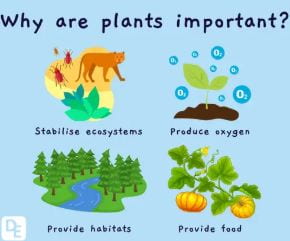
Plants are at the beginning of every food chain that involves the Sun. All energy comes from the Sun, and plants make food with that energy using the process of photosynthesis. Energy in the form of nutrients and food is passed onto other organisms when they eat (consume) the Plants.


Keystone species

Keystone species play a vital role in maintaining the structure, function, and stability of their ecosystems. Their removal or decline can have far-reaching consequences, leading to the loss of biodiversity, alteration of ecosystem processes, and even ecosystem collapse.

The grey wolf in Yellowstone is a good example of a keystone species. Re-introducing the wolf controls the herbivores in the park, massively impacting the diversity of the ecosystem. Even though wolves constitute a tiny fraction of the organisms, they have an immense effect


Examples of keystone species

  • Sharks
  • Grey wolf
  • Sea otters
  • North American Beaver
  • Bees
  • Saguaro Cactus


Task 

In our task, we had to partner up and select an animal from the provided list above. My buddy Felice and I chose sharks, and after reviewing various species, we decided to focus on the tiger shark due to its fascinating characteristics. We used Canva for our project, which made the process both enjoyable and straightforward. Overall, collaborating with Felice allowed us to creatively present our findings in a visually appealing way.

Here is my task –


Thanks for reading

Shreeya