Tag: Wk 8

Effects of Heat || Science Class

Hello everyone, welcome back to my blog. In today’s science post, I will be talking in more detail about the various topics we covered in science this term. We focused on how heat affects different materials and situations, and we carried out four main experiments to explore this.

The four experiments we did about the effects of heat were:

  • Tea bag experiment (convection)

Convection –

  • Melting ice (conduction)

Conduction –


  • Imploding can (contraction)

Contraction –


  • Potassium permanganate in water (diffusion)

Diffusion –


What we did in each experiment –

Tea bag experiment (convection)Flying Tea Bag Experiment for Kids - Coffee Cups and Crayons – In this experiment, we used a tea bag to observe convection currents. When the tea bag was lit, the air around it heated up, became less dense, and rose. This rising warm air created a small convection current that caused the empty tea bag to lift off the table and float upward. This helped us understand how heat can cause fluids (like air and water) to move in currents.


What’s convection: Convection means that hot liquids and gases will rise and cold liquids and gases will sink.


Melting ice (conduction)Melting ice beaker Images - Free Download on Freepik We observed how heat transfers through direct contact. We placed ice cubes in a beaker and watched how quickly they melted.  The ice melts faster because they transferred heat from the surroundings directly into the ice. This experiment showed us that conduction is the transfer of heat through a solid when particles pass energy to one another.


What is conduction: Heat that is passed on by touch.


Imploding can (contraction) – Imploding Coke CansWhen we heated the can on the Bunsen burner, the water inside the can started to boil, and we could see the steam coming out from the top.  After the water boiled for a while, we used tongs to quickly turn the can upside down and place it into the tub of cold water.

As soon as the hot can touched the cold water, the can suddenly crushed and crumpled inwards. It looked like the can was being squashed without anyone touching it. The sides were pushed in, and the can became dented and smaller than before.

This happened to the can because when we heated it, the water inside gained heat energy and its particles moved faster, turning into water vapour that pushed most of the air particles out of the can; then, when the hot can was suddenly placed in the cold water, the water inside quickly lost heat and its particles slowed down and condensed back into liquid, which took up much less space, so there were far fewer gas particles inside the can, creating a much lower pressure than the air pressure outside, and because the outside air particles were now pushing harder on the can than the inside particles, the can was crushed inwards by the air pressure.


What’s contraction: When energy is removed, (colder) particles move more slowly. Causing solids, liquids, and gases to get smaller.


Potassium permanganate in water (diffusion) – For diffusion, we placed a small crystal of potassium permanganate into water and watched as the purple colour slowly spread throughout the petri dish. At first, the colour was very strong near the crystal, but over time it moved and mixed through the water until it became evenly spread. This showed how particles move from an area of high concentration to an area of lower concentration, eventually spreading out evenly.


What’s diffusion: Particles spread out from high concentrations to low concentrations until they are even. Those particles spread faster than cold.


Which experiment did I enjoy and why –

I enjoyed the tea bag experiment the most, especially watching the empty tea bag lift off the table and fly successfully into the air. It was really interesting to see something so light move just because of the heat from the flame. I liked this experiment because it helped me clearly understand the connection between warm air rising and cooler air sinking. When the tea bag burned, the air around it heated up, became lighter, and rose, carrying the tea bag upwards. At the same time, the cooler air moved in to take its place. Seeing this happen right in front of me made the idea of convection much easier to understand and remember, instead of just reading about it in a textbook.


Write up of my favourite experiment – 

Title: Convection experiment / Tea bag experiment

Aim: To make the tea bag fly in the air

Hypothesis: I think the tea bag will rise in the air and disappear

Equipment: Heatproof mat, Tea bag, Matchbox + matches, scissors

Method: pat 1- Set up

  1. First, we got a heatproof mat
  2. We got some safety glasses for protection
  3. Then, we cut the tea bag open, emptying the tea inside. – Just the top – string bit
  4. Open the tea bag to the shape of a 3d rectangle

Part 2 – lighting the teabag

  1. Place the tea bag on the heatproof mat
  2. Light the matchstick over the tea bag
  3. move away from the tea bag once it is lit, as it may fly up in the air,


Observation: the tea bag flew up into the air

I think the tea bag flew in the air because of the rising, and the tea bag is light, making the heat particles rise.


Thats all for this blog,

Shreeya

 

Conservation Efforts Part 2 || Science Class

Hello everyone, and welcome back to another blog post for science.
Today, I delved into an important topic in the realm of science: conservation efforts aimed at protecting our wildlife and ecosystems. We explored how reducing pollution, promoting recycling, and supporting clean energy initiatives can help safeguard our planet. I emphasised the critical role of government and major organisations in creating protected areas for wildlife and enforcing laws against poaching and habitat destruction. Finally, I discussed the legal frameworks in place, such as the Wildlife Act 1953, which outlines protections for different species across New Zealand. Join me as we navigate these essential conservation efforts and their impact on our environment.

Protecting animals within an ecosystem

To protect habitats and ecosystems from serious harm, we need to focus on reducing pollution and conserving natural resources. This can be achieved by using less plastic, recycling more, and supporting clean energy solutions. It’s also important to create protected areas where wildlife can thrive without human interference. Finally, educating others about the importance of preserving our environment will help everyone work together to keep our planet safe.


Can the government or major groups help protect animals that live there?

Yes, the government and major groups can play a big role in protecting animals. They can create protected areas like national parks or reserves where animals can live safely away from threats. Additionally, they can enforce laws against poaching and habitat destruction to help keep animal populations stable. Working together, they can also raise awareness about the importance of preserving wildlife and their habitats.


Legal Protection

Wildlife Act 1953

The Wildlife Act is the main law that helps protect animals classed as wildlife, including some of New Zealand’s most endangered species. 

The Act does this by controlling how people interact with wildlife.

It protects them in three ways:

  1. Absolute protection
  2. Varying protection
  3. No protection


Absolutely protected wildlife

If an animal is absolutely protected, it means that without a permit from DOC, it’s an offence to:

  • Catch, hunt or kill it
  • Buy, sell or own it
  • Hold it in captivity
  • Release it
  • Export it

The protection applies whether the animal is alive or dead, and to all or parts of it, for example, feathers, skin, bones, and eggs.


Examples of absolutely protected wildlife

kiwi, kea, blue duck/whio, tūī, fantail/pīwakawaka, terns, albatross/toroa, tuatara and Wētā.


Varying protected wildlife

Some wildlife species are protected, but not absolutely. They may be killed in specific circumstances. These species are listed in schedules within the Act.


  1. Game hunting during hunting season. Hunters must have a special licence.
  2. Hunted because they are destroying land and other habitats.
  3. Hunted with a special cause: Māori can hunt muttonbirds but only in special circumstances.


Unprotected Wildlife

Some of these unprotected wildlife species cause harm, for example:


  1. Predators on threatened native species, for example, stoats, feral cats, and hedgehogs
  2. Eating native plants, for example, wallabies
  3. Causing damage to farms or orchards, for example, possums, Canada geese, rooks, or to people’s homes, for example, rats, mice
    1. Causing risk to people’s safety through bird strikes at airports, for example, the  spur-winged plover, black-backed gulls

These can all be killed under these conditions only.


Thanks, that’s all for my science blog today. I hope you enjoy it and find this blog post informative

Bye,

Shreeya


Conservation Efforts || Science Class

Hello everyone, welcome back to my blog. Today, I’m excited to share some important insights about the fragile relationship between humans and our planet. As we navigate the complexities of modern life, it’s crucial to take a step back and reflect on our role as stewards of the Earth. With increasing environmental challenges, from climate change to habitat loss, understanding the significance of protecting our ecosystems and waterways is more vital than ever. Join me as we explore why conservation matters and how we can collectively make a difference for future generations.


Why is it important to protect our planet?

Protecting our planet is essential for the sustainability of life. The Earth provides vital resources such as clean air, fresh water, and fertile soil, all of which are necessary for human survival and well-being. Additionally, a healthy planet contributes to biodiversity, which helps maintain ecological balance and resilience against climate change. Our actions impact the environment, so safeguarding it ensures that future generations can inherit a thriving world.


Why protect the ecosystems?

Ecosystems are complex networks where living organisms interact with each other and their physical environments. Protecting these ecosystems is crucial because they provide essential services, such as food production, pollination, climate regulation, and natural pest control. Healthy ecosystems support biodiversity, which strengthens resilience against diseases and environmental changes. Moreover, they contribute to cultural, recreational, and economic benefits for communities.


Why protect our waterways like streams and rivers?

Waterways are vital for all forms of life. They provide drinking water, irrigation for agriculture, and habitats for various species. Protecting streams and rivers helps maintain water quality, preventing pollution that can harm both wildlife and human populations. Healthy waterways also support recreational activities, enhance local economies, and mitigate flooding by allowing natural water flow and absorption. Safeguarding these resources ensures the sustainability of surrounding ecosystems and the communities that rely on them.


What’s so important about them?

Streams, rivers, and their ecosystems play a crucial role in the Earth’s hydrological cycle, impacting weather patterns and climate. They are essential for biodiversity, serving as habitats for countless species, some of which are endemic and cannot survive anywhere else. The health of waterways is often an indicator of overall environmental quality, reflecting the state of the ecosystem in which they exist. By protecting these areas, we not only conserve natural beauty and resources but also ensure the health and vitality of our planet for generations to come.


What can we do to help?

There are many things we can do, but we will look at three ways

  1. Habitat Restoration – Restore the habitat to what the species originally had.
  2. Legal protection – getting government and international support to protect the species.
  3. Recycle, reuse, refuse – reduce the amount of waste in waterways and in landfills.

Habitat restoration

Our planet’s biodiversity is facing serious challenges, including a rapid, massive loss of wildlife. 

It is up to us to reverse the damage and rebuild ecosystems to their former health, functionality and diversity. 

This repair process is known as habitat restoration.


Task

Department of Conservation – Mata-Au Clutha River Freshwater Enhancements

This is where I got the info from


And here are the questions

1. How are they restoring the habitat?  

The habitat is being restored through planting projects aimed at enhancing native freshwater fish habitat. Contact Energy implemented multiple planting sites within the Mata-Au Clutha River catchment as part of their resource consent for hydro-electric facilities. They collaborated with the Department of Conservation (DOC) for plant selection and site information. Large grade plants were sourced and planted directly in rank grass without the use of chemicals or site preparation, which helps revitalise the habitat for native fish species.


2. What kind of habitat is it?

The habitat being restored is a freshwater ecosystem along the Clutha River/Mata-Au, which includes vital areas for native fish populations such as giant kokopu, tuna, kanaka, and inaka (whitebait). This ecosystem is characterised by its complex interactions within the aquatic and riparian zones, providing essential breeding sites, food resources, and shelter for various species.


3. Where is this happening?

This restoration effort is taking place within the lower Clutha River/Mata-Au catchment, specifically at multiple planting sites, including locations such as Waitahuna, Elliotvate, Kouau branch, Riverside Farm, and others associated with the river’s ecosystem. The region has historical significance as well, being a traditional mahinga kai trail for Tāngata whenua and a site associated with gold mining and electricity generation.


Thanks for reading,

Shreeya

Matariki – Literacy

Hello everyone, welcome back to my blog. I hope you’re all doing well. Today, I’m excited to share with you all about my recent learning experience during a work-from-home session that involved years 7 and 8. We had this time to catch up on pending activities, and I specifically focused on the activity reading, which was Matariki, which is significant in New Zealand.


Over the course of weeks 7 to 9, we had the opportunity to delve deep into our tasks and complete as much work as possible. In literacy, we concentrated on Matariki, and let me tell you, it was quite an enriching. We were tasked with answering and learning a set of slides, totalling 43 in all, which provided an abundance of information. I expanded my knowledge significantly, learned new vocabulary, and even came across some captivating stories and activities associated with Matariki. In this blog post, I’ll share the key things I learned, along with insights from my task. Enjoy!


What is Matariki?

Mānawatia a Matariki – AKO


Matariki, also known as the Māori New Year, is celebrated in New Zealand and marks the rise of the Pleiades star cluster in the night sky. This event signifies a time of reflection, remembrance, and planning for the year ahead. Traditionally, it’s a time for families to gather, pay respects to their ancestors, and celebrate the cycle of life.


When to Celebrate?

Agence MayJune - Mediaslide

The celebration of Matariki occurs in late May or early June, depending on the lunar calendar. The exact date varies each year because it is determined by the sighting of the crescent moon, marking the beginning of the Māori New Year.


How to Celebrate?

5 fresh ways to celebrate Matariki with your family - Kiwi FamiliesMatariki is celebrated in various ways, including family gatherings, singing, dancing, and feasting. People might engage in activities such as storytelling, planting seeds for the upcoming year, or even creating artworks reflecting the stars. Celebrations also include community events where everyone can come together to learn and share.
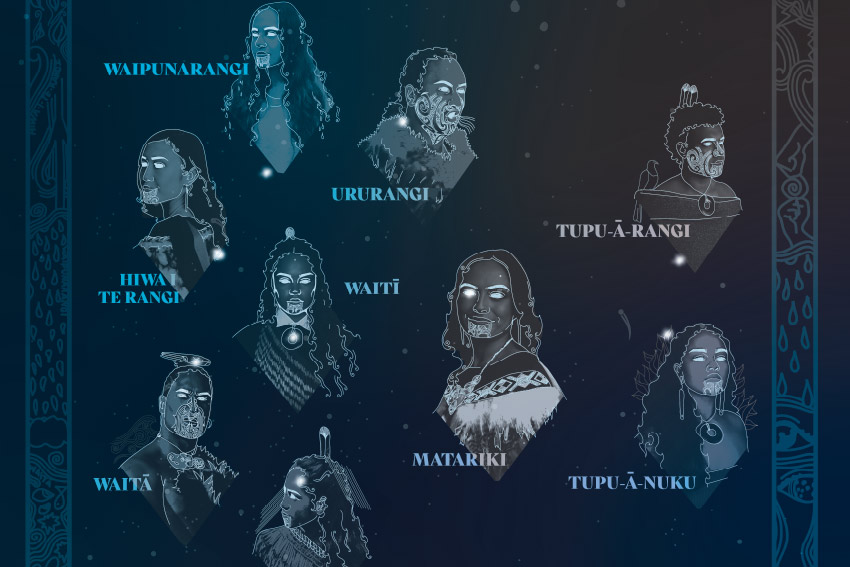
 

How Many Stars and Their Names?

The Matariki star cluster consists of nine main stars, which are known as the Nine Sisters. These stars are: 

1. MatarikiMatariki artworks a koha to all - AUT News - AUT

2. Pōhutukawa

3. Waitī

4. Waitā

5. Tupu-a-nuku

6. Tupu-a-rangi

7. Hiwa-i-te-rangi

8. Ururangi

9. Waipuna-a-rangi


What Does Each Star Represent?

Each star in the Matariki cluster has its significance:

– Waiti: This star symbolises freshwater sources and the life they support, encouraging us to take care of our rivers, lakes, and streams.


Waita: Connected to the ocean and marine life, this star emphasises the importance of sustainable fishing and ensuring abundant sea resources.


– Waipuna-a-rangi: Associated with rain and atmospheric water, this star represents our appreciation for the rain that nourishes all living things.


– Tupu-a-nuku: This star pertains to the food produced from the earth and serves as a guide for planting times. “Tupu” means to grow, and “nuku” relates to the earth.


– Tupu-a-rangi: Related to trees, birds, and food from the forest, this star reminds us of the gifts from nature, including the kereru, which is traditionally harvested during the Matariki season.


– Ururangi: Known as the star of the winds, it celebrates both gentle and strong breezes, and kite flying is a common tradition to honour Matariki.


– Pohutuakawa: This star connects the living with those who have passed away, honouring individuals who died in the previous year during the Matariki celebrations.


– Hiwa-i-te-rangi: Referred to as the wishing star, it is associated with aspirations, dreams, and setting goals for the upcoming year.

– Matariki: The leading star of the cluster symbolises care and well-being, with a bright Matariki indicating a promising year ahead.


Why Do the Dates for Matariki Change Each Year?

The dates for Matariki change each year because they are determined by the lunar calendar rather than the Gregorian calendar that many of us are accustomed to. The Māori lunar calendar follows the phases of the moon, which means that the observed rising of Matariki may not fall on the same date annually. This variability reflects the cycles of nature and holds cultural significance within Māori traditions.


Do Different Iwi Celebrate Matariki in Different Ways?

celebrate Matariki at your kura ...

Yes, various iwi (tribes) in New Zealand celebrate Matariki in unique ways, often incorporating their distinct traditions, languages, and cultural practices. While the core themes of remembrance, celebration, and new beginnings remain consistent, the specific activities and significance attached to them can vary greatly depending on the customs of each iwi.


Do Other Cultures Celebrate a Similar Thing?

Many cultures around the world have celebrations that coincide with the new year or are tied to cosmic events. For example, the Lunar New Year, celebrated in many East Asian countries, marks the beginning of a new year based on the lunar calendar. Similarly, other cultures may have harvest festivals or rituals honouring the stars and cosmic events, reflecting the universal human relationship with the cycles of nature.


Task

For the task we had to complete the slides I hope you enjoy!


Conclusion

Through this project, I have learned an incredible amount about Matariki, and I hope sharing this knowledge inspires you to explore and celebrate it as well. The process of answering and learning the slides was not only informative but also a joy as I uncovered various aspects of this beautiful tradition. I look forward to continuing my learning journey and deepening my understanding of our rich cultures. Thank you for reading, and I hope you found something valuable in this post.

Thanks for reading,

Shreeya