Tag: Literacy

Women’s Suffrage || Literacy

Kia ora everyone, and welcome back to my blog. This week in literacy, my class has been learning all about women’s suffrage, something I didn’t know much about before. It’s actually been really interesting to learn about the history and understand how women fought for the right to vote and have a say in decisions that affect their lives.

In this post, I’ll be sharing some of the tasks I completed during our lessons, explaining what women’s suffrage actually is, and answering a few questions we explored in class. I’ve learned a lot about the struggles women went through and how their determination changed history. I hope you enjoy reading and maybe even learn something new too.

What’s Women’s Suffrage?

Women’s Suffrage: A Journey Towards Equality

Women’s suffrage refers to the movement advocating for the right of women to vote in elections. This struggle began in the late 19th century and gained momentum through the early 20th century, as women campaigned tirelessly for equality and representation in political processes. Advocates highlighted the injustices faced by women, arguing that their voices were essential in shaping laws and policies that affected their lives and communities.

The movement achieved significant milestones, with various countries granting women the right to vote at different times. In the United Kingdom, the Representation of the People Act 1918 was a pivotal moment, allowing women over the age of 30 to vote, followed by equal suffrage in 1928. The fight for women’s suffrage not only transformed political landscapes but also inspired subsequent movements for gender equality and social justice across the globe.

My Task –

In reading, we had to complete a set of tasks, which were:

Task 1

Prior Knowledge

We had to complete a task and fill in the first 2 columns – ‘What I Know’ and ‘What I Want To Know’.

What I know

I know that women were not allowed to vote, so they protested and worked hard to gain the right to have a say in parliament and elections. The women’s suffrage movement helped women gain other rights like fairness in society, access to education, etc.

What I want to know

  • Did the women’s suffrage movement help women in other ways besides voting?
  • What does women’s suffrage mean?
  • When did women start fighting for their rights?
  • Who were the important leaders in the women’s suffrage movement?
What have I learnt

From this article, I learned that New Zealand was the first country in the world to give women the right to vote in 1893. Women had to work hard and fight for their rights through petitions, speeches, and advocacy, despite strong opposition from powerful people like Prime MinisterRichards Seddon. I also learned about key figures like Kate Sheppard and Mary Ann Muller, who played important roles in the suffrage movement. Their discovery helped bring about a major change in history and inspired similar movements in other countries.


Task 2

Watch

Watch this video with your teacher and take notes.

Link to Video


Task 3

Read

Read this article about Women’s Suffrage.


Task 4

Using the article as a base, choose one aspect you would like to find out more about.  Using reputable websites, research your topic and create a visual way to explain what you learned – video, poster, slides, etc.

Kate Sheppard by Shreeya Patel
Task 5

Complete this ‘What I Know Now‘ task.  Add to your blog (along with Task 4) and reflect on – 

  • What you learned
  • Your thoughts and feelings on the topic


What I learnt

In my exploration of women’s suffrage, I learned that it was a really important movement for women’s right to vote. This struggle went on for many years, especially in the late 1800s and early 1900s. There were amazing leaders like Kate Sheppard and Mary Ann Muller, who worked super hard to fight for equality. This movement was about more than just voting, it was part of a bigger fight for gender equality and justice. Learning about this has made me appreciate how far we’ve come in the fight for women’s rights and how important it is to be involved in making a difference.


My thoughts and feelings on the topic

When I think about women’s suffrage, I feel really inspired. It’s amazing to learn about the brave women who fought for the right to vote. They faced so many challenges and didn’t give up, which shows how strong they were. It makes me appreciate the rights we have today and reminds me that it’s important to speak up for what we believe in. Learning about this topic has opened my eyes to the ongoing fight for equality, and it makes me want to be a part of making the world a better place for everyone. Women’s suffrage is not just history, it’s a lesson about courage and the power of standing together for what’s right.


Reflection

I really enjoyed learning about women’s suffrage because it showed me how brave women were in fighting for their rights. The stories of their struggles and victories were inspiring. I didn’t find anything hard about it, everything I learnt was interesting and made me think about how important equality is today.

Conclusion

In conclusion, the struggle for women’s suffrage was about so much more than just voting. It was also about equality and being treated fairly. This literacy week helped me learn about how women expressed their thoughts and pushed for change. We should remember and celebrate the hard work of those who fought for these rights. And let’s not forget, there are still many challenges for women today, so we must keep promoting education so everyone can have a say in our world.


Thanks for reading my blog. I hope you found it informative

Bye,

Shreeya

Instructional/Procedural Writing || Literacy

Instructional/Procedural Writing: Literacy

Hey everyone, Happy Red Nose Day.

Over the past 2 days, we’ve been learning about instructional and procedural writing, which is all about giving clear instructions. Have you ever had to write or follow instructions before? In this blog post, I’m going to talk about what instructional writing is, share the task I worked on, and reflect on how it went. Hope you enjoy it!


If you’ve ever followed a recipe, built a model, or played a new game, you’ve probably read some instructions. These types of writing are super important because they help people understand how to do things step-by-step.


What is Instructional Writing?

Instructional writing is all about telling someone how to complete a task or activity. It’s like being a guide. Imagine you’re teaching a friend how to make a sandwich or how to play your favourite video game. That’s instructional writing.

This type of writing can take many forms, such as:

  • Recipes: Instructions for making food.
  • How-to Guides: Step-by-step directions for completing a task.
  • User Manuals: Instructions for using a product or software.

Task –

For the task, we were given four options to choose from, and I decided to explain how to play the classic game “Connect Four.” As I began writing about it, I found joy in the process of writing someone how to play a game. It was interesting to break down the strategies, making it easier for new players to understand the game.

Here are the options we had to pick, the one in bold is the one I picked.

Tell me in the comments what you would pick and why.

Procedural / Writing Instructions List


Task Notes Suited for
1. Recipe – Using your own words, write up a procedure for writing your favourite recipe. Think of a common dish or main meal that you like at home. 

Also, be sure to include some pictures.

Draft by yourself.

Ace, Pro, Legend, Titan
2. How to make Fairy Bread Use the template provided to help lay out your work. Ace, Pro, Legend, Titan
2. Moving around – Using your own words, write up a procedure for moving from the TV in T4 to Mrs Fletcher’s space (T2) Before you start writing, walk the route that you will take to get to Mrs Allan’s space. Consider directional vocabulary, including ‘turn,’ ‘left,’ ‘right,’ and ‘straight.’ Draft with a buddy. Ace, Pro, Legend, Titan
3. Paper plane – Using your own words, write a set of instructions for creating a paper plane. Choose your favourite board game. Come up with a set of instructions for how to play this game so that someone else can follow it. Legend, Titan
4. Board game instructions Choose your favourite board game. Come up with a set of instructions for how to play this game so that someone else can follow it. Legend, Titan

My Connect 4 Writing


Reflection –

I hope you enjoyed this blog post as much as I did. The task was quite straightforward, and I found it enjoyable to complete. I look forward to my class learning more about instructional writing in the upcoming weeks.

Thanks for reading my blog post, and I hope you found this informative and interesting.

Bye,

Shreeya

Matariki – Literacy

Hello everyone, welcome back to my blog. I hope you’re all doing well. Today, I’m excited to share with you all about my recent learning experience during a work-from-home session that involved years 7 and 8. We had this time to catch up on pending activities, and I specifically focused on the activity reading, which was Matariki, which is significant in New Zealand.


Over the course of weeks 7 to 9, we had the opportunity to delve deep into our tasks and complete as much work as possible. In literacy, we concentrated on Matariki, and let me tell you, it was quite an enriching. We were tasked with answering and learning a set of slides, totalling 43 in all, which provided an abundance of information. I expanded my knowledge significantly, learned new vocabulary, and even came across some captivating stories and activities associated with Matariki. In this blog post, I’ll share the key things I learned, along with insights from my task. Enjoy!


What is Matariki?

Mānawatia a Matariki – AKO


Matariki, also known as the Māori New Year, is celebrated in New Zealand and marks the rise of the Pleiades star cluster in the night sky. This event signifies a time of reflection, remembrance, and planning for the year ahead. Traditionally, it’s a time for families to gather, pay respects to their ancestors, and celebrate the cycle of life.


When to Celebrate?

Agence MayJune - Mediaslide

The celebration of Matariki occurs in late May or early June, depending on the lunar calendar. The exact date varies each year because it is determined by the sighting of the crescent moon, marking the beginning of the Māori New Year.


How to Celebrate?

5 fresh ways to celebrate Matariki with your family - Kiwi FamiliesMatariki is celebrated in various ways, including family gatherings, singing, dancing, and feasting. People might engage in activities such as storytelling, planting seeds for the upcoming year, or even creating artworks reflecting the stars. Celebrations also include community events where everyone can come together to learn and share.
 

How Many Stars and Their Names?

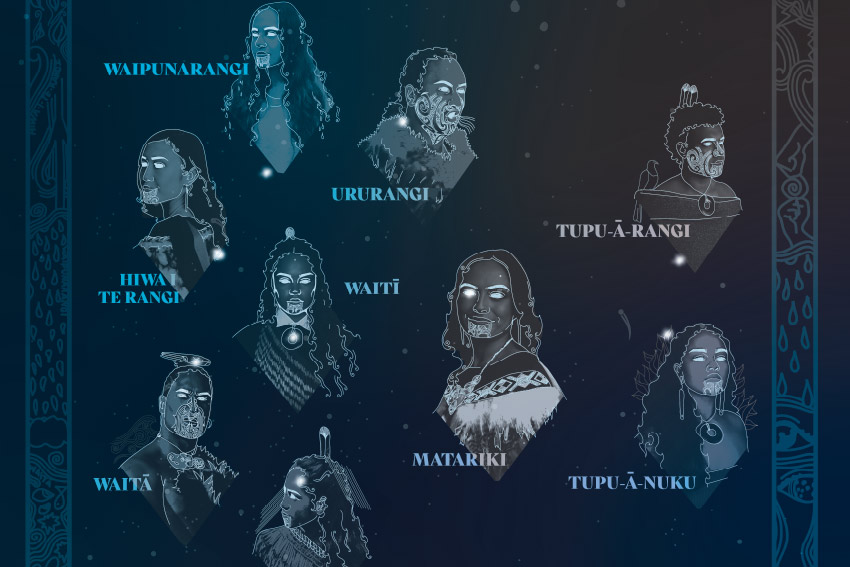
The Matariki star cluster consists of nine main stars, which are known as the Nine Sisters. These stars are: 

1. MatarikiMatariki artworks a koha to all - AUT News - AUT

2. Pōhutukawa

3. Waitī

4. Waitā

5. Tupu-a-nuku

6. Tupu-a-rangi

7. Hiwa-i-te-rangi

8. Ururangi

9. Waipuna-a-rangi


What Does Each Star Represent?

Each star in the Matariki cluster has its significance:

– Waiti: This star symbolises freshwater sources and the life they support, encouraging us to take care of our rivers, lakes, and streams.


Waita: Connected to the ocean and marine life, this star emphasises the importance of sustainable fishing and ensuring abundant sea resources.


– Waipuna-a-rangi: Associated with rain and atmospheric water, this star represents our appreciation for the rain that nourishes all living things.


– Tupu-a-nuku: This star pertains to the food produced from the earth and serves as a guide for planting times. “Tupu” means to grow, and “nuku” relates to the earth.


– Tupu-a-rangi: Related to trees, birds, and food from the forest, this star reminds us of the gifts from nature, including the kereru, which is traditionally harvested during the Matariki season.


– Ururangi: Known as the star of the winds, it celebrates both gentle and strong breezes, and kite flying is a common tradition to honour Matariki.


– Pohutuakawa: This star connects the living with those who have passed away, honouring individuals who died in the previous year during the Matariki celebrations.


– Hiwa-i-te-rangi: Referred to as the wishing star, it is associated with aspirations, dreams, and setting goals for the upcoming year.

– Matariki: The leading star of the cluster symbolises care and well-being, with a bright Matariki indicating a promising year ahead.


Why Do the Dates for Matariki Change Each Year?

The dates for Matariki change each year because they are determined by the lunar calendar rather than the Gregorian calendar that many of us are accustomed to. The Māori lunar calendar follows the phases of the moon, which means that the observed rising of Matariki may not fall on the same date annually. This variability reflects the cycles of nature and holds cultural significance within Māori traditions.


Do Different Iwi Celebrate Matariki in Different Ways?

celebrate Matariki at your kura ...

Yes, various iwi (tribes) in New Zealand celebrate Matariki in unique ways, often incorporating their distinct traditions, languages, and cultural practices. While the core themes of remembrance, celebration, and new beginnings remain consistent, the specific activities and significance attached to them can vary greatly depending on the customs of each iwi.


Do Other Cultures Celebrate a Similar Thing?

Many cultures around the world have celebrations that coincide with the new year or are tied to cosmic events. For example, the Lunar New Year, celebrated in many East Asian countries, marks the beginning of a new year based on the lunar calendar. Similarly, other cultures may have harvest festivals or rituals honouring the stars and cosmic events, reflecting the universal human relationship with the cycles of nature.


Task

For the task we had to complete the slides I hope you enjoy!


Conclusion

Through this project, I have learned an incredible amount about Matariki, and I hope sharing this knowledge inspires you to explore and celebrate it as well. The process of answering and learning the slides was not only informative but also a joy as I uncovered various aspects of this beautiful tradition. I look forward to continuing my learning journey and deepening my understanding of our rich cultures. Thank you for reading, and I hope you found something valuable in this post.

Thanks for reading,

Shreeya

Eruera Maihi Patuone – Literacy Class

Kia Ora readers, welcome back to another blog post. I’m here to share what I’ve learned over the past two weeks about Eruera Maihi Patuone, a notable figure in New Zealand history. He played a significant role during the conflicts between the Ngāpuhi and Roroa. In this post, I’ll dive deep into who he was, what he did, and some fascinating facts that highlight his contributions and legacy and way more for you to stay entertained. Enjoy!


Who is Eruera Maihi Patuone?

O.004269 Eruera Maihi Patuone | Te Papa's Blog

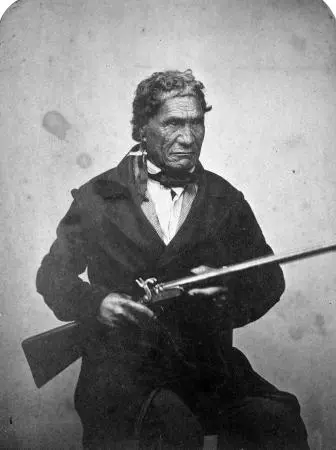
Eruera Maihi Patuone was an important Māori leader and warrior born around 1764. He belonged to the Ngāpuhi iwi (tribe) and was known for his significant impact on the conflicts during the Māori wars. Patuone wasn’t just a warrior, he was also a respected chief and a skilled mediator. His leadership skills and strategic thinking made him a towering figure among his people. He was one of the few Māori leaders who understood the complexities of both Māori culture and European influences. This ability allowed him to navigate the challenging political landscape of his time effectively.


What did he do?

Portrait of Eruera Maihi Patuone by John Nicol Crombie | Record | DigitalNZEruera Maihi Patuone played a crucial role in many conflicts between the Ngāpuhi and other iwi, especially the Roroa. His involvement in battles was not solely based on a thirst for violence, he aimed to protect his people and their lands. One of his notable achievements was his participation in the Northern Wars during the 1840s, where he led his people in battle while also seeking justice and peace. Patuone was a mediator in many situations, and he often advocated for negotiation before resorting to violence.

In addition to his military role, Patuone was instrumental in signing the Treaty of Waitangi. This treaty was an agreement between the British Crown and Māori chiefs, aimed at establishing guidelines for land ownership and governance. While the treaty’s implementation has been debated over the years, Patuone’s involvement demonstrates his commitment to securing a better future for his people through diplomacy.


Why did Eruera Maihi Patuone do this?

Eruera Maihi Patuone - Wikipedia

Patuone’s actions were driven by a deep sense of responsibility toward his people and their survival. The arrival of European settlers brought significant changes to Māori life, including land dispossession and cultural shifts. With these threats looming, he desired to protect Ngāpuhi’s interests in various ways. By engaging in warfare, he aimed to defend his tribe and their territories, ensuring that they could maintain their way of life.

At the same time, Patuone recognised the benefits of aligning with European powers. By signing the Treaty of Waitangi, he hoped to protect his people through a legal framework that acknowledged Māori rights. In essence, his efforts were about striking a balance between defending his culture and adapting to the new environment that the Europeans presented.


Interesting information about him

One interesting fact about Eruera Maihi Patuone is that he was known for his incredible skills in stamping alliances. Understanding that unity could strengthen his people’s position, he often brokered peace among warring iwi. He believed in the power of collaboration, which helped to stabilise his community during turbulent times.

Another noteworthy aspect of Patuone’s life is his later conversion to Christianity. He became a distinguished member of the Church Missionary Society and was known for his efforts in promoting education within Māori communities. This transition showcased his adaptability and willingness to embrace change while still advocating for his culture.


For more information on Eruera Maihi Patuone, you can visit these links:

1. [Te Ara Encyclopedia of New Zealand]

2. [NZHistory.govt.nz]

3. [Geni]

4. [Natlib]


Task  –

Story: Link


Vocab Task:


Authenticity of the story:

Checking if the Patuone story is true:

To find out if the story was about Eruera Maihi Patuone is true, I searched for information online. The story I read was written by Fraser Smith and published in the School Journal Level 4 in 2022. This is a journal made by the New Zealand Ministry of Education, which means it’s designed to teach students real and important parts of New Zealand history.

To make sure, I looked at other trusted history sites like Te Ara, which is a government website with information written and checked by experts, and it confirmed many of the details in the article. Patuone was a rangatira (chief) from Hokianga, and he came from a well-known Māori family. He was related to other famous leaders like Nene and Hongi Hika. When he was a child, he likely saw people from Captain Cook’s crew, which is mentioned in the article. Later, he became involved in the Musket Wars and worked hard to bring peace between Māori and Pākehā. He signed the Treaty of Waitangi and also signed He Whakaputanga, the Declaration of Independence.

The article also talks about how Māori began trading with Europeans, growing crops like potatoes and wheat, and using tools like spades and muskets, which helped their communites. These are real things that happened. Missionaries arrived in New Zealand and the Musket Wars were a big part of Māori history at that time. Patuone lived through all these events and played an important role. He was known as a peacemaker and was respected by both Māori and Pākehā.

Even though a few small details like exactly how old he was when Cook arrived can’t be fully proven, the main facts in the article are backed up by real evidence and sources. Everything I found in other places matched what the article said. I think it’s a true and reliable story. Learning about Eruera Maihi Patuone helped me understand how one leader made a big difference in the past and how Aotearoa New Zealand changed during his lifetime.

Reflection and Conclusion –

I really enjoyed researching Eruera Maihi Patuone and learning about his incredible life and contributions. He was an impressive figure who worked tirelessly for his people and played a significant role in New Zealand’s history. I found everything about him inspiring and admired his dedication and hard work, which made it easy for me to appreciate the impact he had on those around him. In conclusion, I want to highlight how much his efforts benefited his community and shaped the future.


Thanks for reading,

Shreeya

Reading Activities – Literacy Class

Over the past two weeks in our literacy class, we heard a story, “Whaitere – The Enchanted Stingray.” My group, Whā, had to complete six activities that not only enhanced our understanding of the story but also deepened our appreciation for cultural myths and legends. The first task was straightforward and interesting, as my teacher read the story of the Enchanted Stingray. Learning about Whaitere, a magical stingray, and exploring the themes in the narrative was engaging.

After reading the story, we watched a video that explained the significance of myths and legends in different cultures. This helped us understand the deeper meanings behind the story and its characters. For our learning task, we made a copy of slides where I answered comprehension questions and explored parts of speech related to the text. This helped reinforce our understanding and allowed us to analyse the story more critically. I particularly enjoyed choosing one of the eight options for our vocabulary task, and I chose to create a digital poster. This choice suited me well as I love making a poster.

The next part of our task involved creating a drawing where we followed a video tutorial to draw our own stingray. It was a fun and artistic way to express the character we had read about, and I was pleasantly surprised by how well my drawing turned out. Finally, we had a shared task, which required writing a blog post summarising the purakau and sharing our thoughts on its significance. This allowed me to reflect on what I learned and to think about the moral lessons present in the story. Overall, this unit was both educational and enjoyable, and I’m excited to share what we discovered about the enchanting world of stingrays.


Summary of Purakau and the thoughts of the meanings –


Summary:

In this story, Koro Pat shares a tale with three children about Whaitere, an enchanted stingray. Whaitere lives in a bay threatened by fishermen who catch sea creatures, including her parents. After losing them, Whaitere becomes sad and hides at the sea floor until she receives a message from the currents. Guided by the spirit Hinemoana, she discovers her parents in the underworld, Rarohenga, where they have transformed into beautiful, colourful creatures. They instruct Whaitere to become a guardian of the overworld and teach respect for the sea. Upon returning, Whaitere helps her fellow sea creatures stand up against the destructive fishermen, advocating for their rights to their home. Through her magic and courage, she earns the title of kaitiaki, uniting the people fish and sea creatures in harmony.


Thoughts on the Meaning:

The story conveys significant themes of loss, resilience, and the interconnectedness between nature and humanity. Whaitere’s journey represents the struggle against external threats to one’s home and the importance of guardianship over the environment. Her transformation into a kaitiaki symbolises the idea that with empowerment and love, individuals can advocate for change and promote balance in their ecosystem. The narrative also emphasises respect for ancestral knowledge and the role it plays in guiding future generations. Ultimately, it serves as a reminder of the responsibilities we hold towards our environment and the importance of harmony within the natural world.


Video about Myths and How to draw your own stingray –

Digital Poster (Vocab Task) –


My Stingray Drawing –

I added a different colour because the real colour is grey, not blue!


Reflection and Conclusion –

Reflecting on the past two weeks of learning, I found the experience to be both enjoyable and exciting. I appreciated the opportunity to learn deeper into the topic, which sparked my curiosity and motivated me to explore new aspects. The absence of significant challenges allowed me to focus entirely on the learning process, which contributed positively to my overall experience.

One area where I feel I could improve is in achieving a closer match to the reference image for my stingray project. While I put my best effort and was pleased with my progress, there’s always room for growth in refining my skills and techniques.

Overall, I hope my blog post provided to be engaging and that both informative and enjoyable for you, readers. I look forward to continuing this journey of exploration and learning, and am excited to see where it leads me next.

Thanks, see you in my next blog post with a new concept and new learning, but for now, BYE!

Shreeya

Fix Run On Sentences – Literacy

Hello everyone, welcome back to my blog.😊 Today was pretty awesome because we learnt about different sentence structures during literacy class. We had to learn about run-on sentences and honestly, I thought it was super interesting, and I enjoyed figuring out how to fix them.


What is a run-on sentence?

So, what exactly is a run-on sentence? Basically, it happens when you have two or more independent clauses that are together without the right punctuation or conjunctions. In short words (A run-on sentence is two or more clauses that are joined incorrectly in one sentence.)

For example, instead of saying, “I love to read I don’t have much time,” you could say, “I love to read, but I don’t have much time.” Using the proper punctuation really makes a difference in how the sentence sounds and how clear it is.


After learning about this, I had a fun task to complete. I had to read through a slide show (which was pretty informative) and then team up with a partner to answer some questions. Fixing the sentences was a good way to demonstrate what I had learned. For the really fast finishers in class, they got to write a recount about a school trip.


Then, as a finish, we had to make a blog post about what we learned in class. Also, I had to write a reflection of what was challenging, what I enjoyed, etc. I also need to go and comment on a classmate’s blog.

Here is my task

Task

Expand simple sentence activity


Instructions: 

  1. Work with a partner to complete this task.
  2. Fix the run-on sentences. 
  3. Complete the answers on your “Writing Skills” doc. 
  4. Post the work on your blog. Make sure you include the original sentence and the corrected sentence. 
    Before
  1. The sun was shining brightly the birds were singing and I wanted to go outside but my mum said I had to finish my homework first.
  2. I love to eat ice cream especially chocolate but my mum says it’s bad for my teeth and I only eat it as a special treat.
  3. We went to the beach yesterday and it was really hot and we swam in the ocean and we had to come home early because it started to rain.
  4. My dog is a golden retriever and he is very friendly and he loves to play fetch and but he can be a bit naughty sometimes.
  5. I have to do my homework but I would rather watch TV and my favourite show is coming on tonight and I’ve been looking forward to it all week.
    After
  1. The sun was shining brightly, the birds were singing and I wanted to go outside. But my mum said I had to finish my homework first.
  2. I love ice cream, especially chocolate, but my mum says it’s bad for my teeth, so I only eat it as a special treat.
  3. We went to the beach yesterday and it was really hot. We swam in the ocean, and we had to come home early because it started to rain.
  4. My dog is a golden retriever and he is very friendly. He loves to play fetch, but he can be a bit naughty sometimes.
  5. I have to do my homework but I would rather watch TV. My favourite show is coming on tonight, I’ve been looking forward to it all week.


ACE PRO LEGEND
  • I have fixed some of the sentences. 
  • I worked successfully with a partner on this task. 
  • I have posted my work on my blog.
  • I have fixed all of the sentences. 
  • I worked successfully with a partner on this task. 
  • I have posted my work on my blog. 
  • I have commented on one other person’s blog
  • I have fixed all of the sentences. 
  • I worked successfully with a partner on this task. 
  • I have posted my work on my blog.
  • I have linked my blog post to the Hand it in sheet 
  • I have commented on one other person’s blog

Reflection

I found the task to be easy, especially after I understood the concept of a run-on sentence. Once I understood that, everything clicked into place, making the task feel quite straightforward. I didn’t face any challenges and if I had, I wouldn’t be at the blogging stage now. Overall, I enjoyed the entire lesson, it was a fun time learning new things.


So, what do you guys think? If you’ve ever written or seen a run-on sentence, let me know in the comments! I’d love to hear your examples or any tips you might have. See you next time! 🌟

Bye, see you in the net blog post.

Shreeya✿

All About Me – Literacy

Kamusta, welcome back to another blog post.

I hope you guys are having a great weekend so far. Now let’s talk about what I did today, this week at school for literacy we made our All About Me slide show, we could make our slide show on any platform, but I chose Canva. This year we got Canva Pro so we can use all the stuff/items there.

In this slide show we had to add a couple of things about ourselves, the teacher made a Google drawing and wrote the stuff we needed in our all about me task. Enjoy the slideshow and see you next time. Bye


Websites I used –

What Is Canva And How Does It Work? Tips & TricksCanva – I used Canva for my All About Me Slide Show

The New Google Sites | The Innovative InstructorGoogle Sites – My classes class site is on Google Sites, we used it to find the things we needed to add on the All About Me Slide Show.


This is what we added

Hello world!

Welcome to your brand new blog at Edublogs!

To get started, simply visit your blog’s dashboard, edit or delete this post and check out all the other options available to you.

Like more help?

We can walk you through step-by-step in our guide to getting started with your blog.

Happy blogging!