Tag: Wk 4

Hauora – Health Class

Hello, welcome back to another blog post.

Today in health, we played a fun game called water pong. We had to form groups of 2 or 3 and play water pong. Sadly, my partner and I didn’t win out of 2, but it was very fun.

After that, we had to do a blog task. We had to choose one of the following: ace, pro, legend or titan, and I picked titan. So in this blog, I will be answering the questions given for the Titan task.


Questions –

Explain what Te Whare Tapa Whā is –

Te Whare Tapa Whā is a Māori model of health that explains how our wellbeing is made up of four important parts, like the four walls of a house.

  • Taha tinana – our physical health (our body)
  • Taha hinengaro – our mental and emotional health (our thoughts and feelings)
  • Taha whānau – our social health (our relationships with friends and whānau)
  • Taha wairua – our spiritual health (our beliefs, values, and sense of purpose)

If one wall is weak, the whole house becomes unstable. This shows that we need to look after every part of our hauora, not just our body or our mind, so we can stay balanced and healthy.


Describe your activity in detail –

Today in Health, we played a game called water pong. We had a table with plastic cups set up in a triangle shape at each end. Each cup contained some water. We were in teams, standing on opposite sides of the table.

The aim of the game was to throw a ping pong ball and try to land it in the other team’s cups. If the ball landed in a cup, that cup was taken away. We took turns throwing the ball and cheering for our team. The team that got rid of all the other team’s cups first was the winner.


Explain how your hauora was impacted by participating in today’s activity –

Taha tinana (physical):
My physical health was impacted because I was standing up, moving around the table, and using my hand and eye coordination to throw the ball. It wasn’t very intense exercise, but I was still using my body instead of just sitting down.

Taha hinengaro (mental/emotional):
My mental and emotional health were positively impacted because the game was fun and made me feel happy and relaxed. I had to focus and concentrate on aiming the ball, which kept my mind active. I also felt a bit nervous and excited when it was my turn.

Taha whānau (social):
My social health improved because I was working in a team, communicating, and encouraging my classmates. We laughed together and supported each other, which helped strengthen our relationships.

Taha wairua (spiritual):
My spiritual health was impacted because I felt a sense of belonging in the class. Playing together helped me feel more connected and included. It also reminded me that having fun, being respectful, and showing good sportsmanship are important values to me.


Explain what is important to know or understand when participating in a game with others. Make sure you say why this is important –

When playing a game with others, it is important to:

Follow the rules – This is important because it keeps the game fair for everyone and stops arguments.

Show respect and good sportsmanship – Being kind, not teasing others, and congratulating people even if you lose is important because it helps everyone feel safe and comfortable.

Communicate with your team – Talking and listening to your teammates is important so you can work together, make a plan, and support each other.

Include everyone – Making sure everyone gets a turn, and no one is left out, is important because it helps people feel valued and part of the group.

Stay calm and control your emotions – This is important because getting too angry or frustrated can ruin the game for others and damage friendships.


Thats all for my blog today, I hope you found it interesting,

Shreeya

Melting and Freezing || Science Class

Hello everyone, welcome back to my blog.

Today in science class, we explored the concept of melting and freezing. In this blog post, I’ll share what we learned and help you learn more deeply into this topic. I hope you find it informative and engaging.

Here’s what I’ll cover:

– Understanding Melting and Freezing
– Particle Changes During the Processes
– An Exciting Experiment
– Melting and Freezing Points Explained
– Everyday Examples of Melting and Freezing
– And much more, so stay tuned,

Enjoy

Melting and freezing

Melting

  • A solid changes to a liquid when heat is added. Particles gain energy and move more.


Freezing

  • Liquid changes to a solid when heat is removed. Particles lose energy and slow down.


Particle changes – Melting

Solid Heats Up

  • Particles in a solid start to vibrate faster as heat is added.

Breaking Free

  • Particles gain enough energy to break from their fixed positions

Becoming liquid

  • The substance turns into a liquid, with particles moving past each other.

Particles changes – Freezing

Liquid Cools Down

  • Particles in a liquid lose energy as heat is removed.

Slowing Down

  • Particles move more slowly and get closer together.

Becoming a Solid

  • Particles lock into place, becoming a solid.


Experiment

Hypothesis: I think the salt will make the ice melt faster.

Materials:

  1. 4 ice cubes
  2. 4 beakers
  3. Salt
  4. Sugar
  5. Baking Soda
  6. Sand
  7. Stopwatch

Method:

  • Place the 4 ice cubes in the 4 beakers.
  • Place the salt on one of the ice cubes.
  • Place the sugar on one of the ice cubes.
  • Place the baking soda on one of the ice cubes.
  • Place the sand over one of the ice cubes.
  • Time the speed of melting of the ice cubes.


Results

After 2 minutes, the salt was number 1, sugar was number 2, sand was number 3, and baking soda was number 4.


5 minutes later –

After 5 minutes, salt is number 1, baking soda is number 2, sand is number 3, and sugar is number 4.


Melting and Freezing Points

What are They?

  • Melting point: The temperature at which a solid becomes a liquid.
  • Freezing point: The temperature at which a liquid becomes a solid.

For pure water, both points are 0°C.


Everyday Examples

Where do you see melting and freezing?

  • Ice cream melting on a sunny day
  • Water freezes in a puddle overnight
  • Butter melting on hot toast
  • Ice melting in my drink, that’s te whakarewa.
  • Water turning to ice in puddles outside, that’s te whakatio.
  • Chocolate melting in my hand, te whakarewa.


Why does this happen?

Melting

Energy and Particles

When heat is added, particles gain energy and move faster. In solids, this extra energy allows them to break free from their fixed positions, causing melting.


Freezing

Losing Energy

When a liquid cools down, its particles lose energy and slow down. They get closer together and lock into place, forming a solid.


Māori perspective

Māori Knowledge

Traditional Māori knowledge recognises the importance of seasonal changes, including te whakarewa (melting) and te whakatio (freezing), in food gathering and storage.


Questions

  • 1. What happens to ice when it melts?

When ice melts, it turns into water (liquid).

  • 2. Why does water turn into ice in the freezer?

When you put water in the freezer, it will turn into ice. The water comes together, forming the water into solid ice.

  • 3. Why do some things melt faster than others?

Some things melt faster than others because of the differences in mass and melting temperature.


That’s all for my blog post

I hope you found it informative and interesting

Thanks for reading

Shreeya


Women’s Suffrage || Literacy

Kia ora everyone, and welcome back to my blog. This week in literacy, my class has been learning all about women’s suffrage, something I didn’t know much about before. It’s actually been really interesting to learn about the history and understand how women fought for the right to vote and have a say in decisions that affect their lives.

In this post, I’ll be sharing some of the tasks I completed during our lessons, explaining what women’s suffrage actually is, and answering a few questions we explored in class. I’ve learned a lot about the struggles women went through and how their determination changed history. I hope you enjoy reading and maybe even learn something new too.

What’s Women’s Suffrage?

Women’s Suffrage: A Journey Towards Equality

Women’s suffrage refers to the movement advocating for the right of women to vote in elections. This struggle began in the late 19th century and gained momentum through the early 20th century, as women campaigned tirelessly for equality and representation in political processes. Advocates highlighted the injustices faced by women, arguing that their voices were essential in shaping laws and policies that affected their lives and communities.

The movement achieved significant milestones, with various countries granting women the right to vote at different times. In the United Kingdom, the Representation of the People Act 1918 was a pivotal moment, allowing women over the age of 30 to vote, followed by equal suffrage in 1928. The fight for women’s suffrage not only transformed political landscapes but also inspired subsequent movements for gender equality and social justice across the globe.

My Task –

In reading, we had to complete a set of tasks, which were:

Task 1

Prior Knowledge

We had to complete a task and fill in the first 2 columns – ‘What I Know’ and ‘What I Want To Know’.

What I know

I know that women were not allowed to vote, so they protested and worked hard to gain the right to have a say in parliament and elections. The women’s suffrage movement helped women gain other rights like fairness in society, access to education, etc.

What I want to know

  • Did the women’s suffrage movement help women in other ways besides voting?
  • What does women’s suffrage mean?
  • When did women start fighting for their rights?
  • Who were the important leaders in the women’s suffrage movement?
What have I learnt

From this article, I learned that New Zealand was the first country in the world to give women the right to vote in 1893. Women had to work hard and fight for their rights through petitions, speeches, and advocacy, despite strong opposition from powerful people like Prime MinisterRichards Seddon. I also learned about key figures like Kate Sheppard and Mary Ann Muller, who played important roles in the suffrage movement. Their discovery helped bring about a major change in history and inspired similar movements in other countries.


Task 2

Watch

Watch this video with your teacher and take notes.

Link to Video


Task 3

Read

Read this article about Women’s Suffrage.


Task 4

Using the article as a base, choose one aspect you would like to find out more about.  Using reputable websites, research your topic and create a visual way to explain what you learned – video, poster, slides, etc.

Kate Sheppard by Shreeya Patel
Task 5

Complete this ‘What I Know Now‘ task.  Add to your blog (along with Task 4) and reflect on – 

  • What you learned
  • Your thoughts and feelings on the topic


What I learnt

In my exploration of women’s suffrage, I learned that it was a really important movement for women’s right to vote. This struggle went on for many years, especially in the late 1800s and early 1900s. There were amazing leaders like Kate Sheppard and Mary Ann Muller, who worked super hard to fight for equality. This movement was about more than just voting, it was part of a bigger fight for gender equality and justice. Learning about this has made me appreciate how far we’ve come in the fight for women’s rights and how important it is to be involved in making a difference.


My thoughts and feelings on the topic

When I think about women’s suffrage, I feel really inspired. It’s amazing to learn about the brave women who fought for the right to vote. They faced so many challenges and didn’t give up, which shows how strong they were. It makes me appreciate the rights we have today and reminds me that it’s important to speak up for what we believe in. Learning about this topic has opened my eyes to the ongoing fight for equality, and it makes me want to be a part of making the world a better place for everyone. Women’s suffrage is not just history, it’s a lesson about courage and the power of standing together for what’s right.


Reflection

I really enjoyed learning about women’s suffrage because it showed me how brave women were in fighting for their rights. The stories of their struggles and victories were inspiring. I didn’t find anything hard about it, everything I learnt was interesting and made me think about how important equality is today.

Conclusion

In conclusion, the struggle for women’s suffrage was about so much more than just voting. It was also about equality and being treated fairly. This literacy week helped me learn about how women expressed their thoughts and pushed for change. We should remember and celebrate the hard work of those who fought for these rights. And let’s not forget, there are still many challenges for women today, so we must keep promoting education so everyone can have a say in our world.


Thanks for reading my blog. I hope you found it informative

Bye,

Shreeya

Adaptations || Science Class

Hello everyone, and welcome back to my blog. Today in science class, we delved into the fascinating world of adaptations. We explored what adaptations are and discovered some incredible examples in the animal kingdom.

In this blog post, I will share what I learned about how different animals have evolved unique traits to survive in their environments. From the camouflage of chameleons to the thick fur of polar bears, adaptations are truly remarkable. Join me as we uncover the wonders of nature and how these adaptations help animals thrive in their habitats. I hope you enjoy this exploration into the world of adaptations.

Adaptions

An organism’s survival depends on the abiotic and biotic factors in its habitat. Survival also depends on the organism’s characteristics. Characteristics that help the survival of an organism in its habitat are adaptations.

There are three types of adaptation:

  • Structural – the physical characteristics of an organism.
  • Functional – the chemical reactions and bodily functions of an organism.
  • Behavioural – characteristics that relate to specific behaviours of an organism.


More on Adaptations

Structural adaptations are the physical characteristics of the organism; they might be size, shape, colour or the way the various parts of the organism are put together.

Example: Cactus Leaves Adaptation: Spines instead of leaves to reduce water loss and protection from grazing animals.


Structural Adaptations

Examples are:

  • Leaf size (banana leaves)
  • Seed shape (oak seeds)
  • Flower shape and structure  (orchids)
  • Protective spikes (hedgehog)
  • Size or number of teeth (sharks vs sheep)
  • Type of skeleton (crayfish vs human) 

Mini Task

  • Choose an organism and put a picture in your blog.
  • Does it have any structural adaptations?
  • What are they?
  • How does this help with survival?

Leaf Size – Banana Leaves
Banana leaves are large, broad leaves that can grow up to 3 metres long and 60 centimetres wide.

Does it have any structural adaptations?
Yes, banana leaves have several structural adaptations.

What are they?

  1. Large Surface Area: The extensive surface area enables maximum sunlight absorption, facilitating efficient photosynthesis.
  2. Thin and Flexible Structure: This helps the leaves to withstand strong winds and heavy rainfall without tearing.
  3. Layered Structure: The leaves are composed of layers that enable water to run off, preventing water accumulation that could lead to fungal growth.

How does this help with survival?
These adaptations allow banana plants to thrive in tropical environments by optimising light capture for photosynthesis, reducing damage from environmental stresses, and minimising the risk of disease, ultimately ensuring their growth and reproduction.


Adaptations

Functional adaptations refer to the chemical reactions and bodily functions of an organism.

Example: Production of smelly chemicals – an adaptation to attract pollinators

Some plants, such as the corpse flower found in the rainforests of Sumatra, Indonesia, give out a smell like that of rotting flesh. The smell attracts the plant’s pollinators – dung beetles, carrion beetles and flesh flies – that typically would feed on dead flesh.


Functional Adaptations

Examples are:

  • Producing Venom (scorpions)
  • Producing smelly chemicals (skunk)
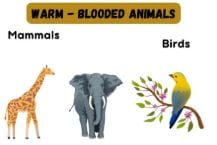
  • Being warm-blooded (birds and mammals)
  • Being cold-blooded (lizards and fish)
  • Able to digest plants (sheep and cows)
  • Water storage (cacti and Camels)

Mini Task

  • Does your organism have any functional adaptations?
  • What are they?
  • How does this help with survival?

Warm-blooded animal – Bird

Does your organism have any functional adaptations?

Yes, birds possess several functional adaptations that aid in their survival.

What are they?

  1. Hollow Bones: Many birds have hollow bones, which reduce their overall weight, allowing for easier flight.
  2. Feathers: Birds have feathers that provide insulation, aiding in temperature regulation.
  3. Beaks: The shape and size of a bird’s beak are adapted to their diet, enabling them to exploit specific food sources effectively.
  4. Respiratory System: Birds have a highly efficient respiratory system that includes air sacs for continuous airflow, providing a constant supply of oxygen.

How does this help with survival?

These adaptations enhance a bird’s ability to find food, evade predators, and thrive in diverse environments.

  • Efficient Flight: Hollow bones and feathers improve aerodynamics, allowing birds to escape predators and travel long distances.
  • Temperature Regulation: Feathers help maintain body temperature, enabling activity in harsh weather.
  • Specialised Feeding: Diverse beak shapes allow access to various food sources, reducing competition and enhancing survival.
  • Oxygen Supply: An efficient respiratory system supports high-energy activities, improving responsiveness to threats and mate finding.
    Overall, these adaptations are critical for a bird’s survival, enabling them to exploit resources and adapt to their environments.


Adaptations

Behavioural adaptations are characteristics that relate to specific behaviours of an organism.

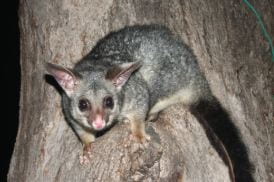
Example: Being nocturnal (active at night) – an adaptation that allows predator avoidance

Animals such as the New Zealand brushtail possum, which are nocturnal, can avoid many potential predators such as humans and cats.


Behavioural Adaptations

Examples are:

  • Mating behaviours (birds and insects)
  • Aggression (lions and tigers)
  • Migratory behaviour (godwits)
  • Tools (apes)
  • Playing dead (possums)

Mini Task

  • Does your organism have any behavioural adaptations?
  • What are they?
  • How does this help with survival?

Tools – Apes

Does your organism have any behavioural adaptations?
Yes, apes possess several behavioural adaptations that aid in their survival.

What are they?

  1. Social Structure and Communication: Apes live in groups known as troops or bands, which allows for cooperative behaviours like grooming and food sharing. They communicate through vocalisations, gestures, and facial expressions, strengthening social bonds and enhancing group cohesion.
  2. Tool Use: Certain ape species, especially chimpanzees, have been observed using tools to obtain food, such as sticks to extract termites from mounds. This ability showcases their problem-solving skills and adaptability to their environment.
  3. Play Behaviour: Young apes engage in play, which is essential for developing social skills and learning survival strategies. Through play, they learn to interact with others and practice behaviours necessary for adulthood, such as foraging and conflict resolution.

How does this help with survival?

  • Enhanced Cooperation: Social behaviours promote group living, providing protection from predators and increasing foraging success.
  • Resource Acquisition: Tool use enables apes to access food sources that would otherwise be unavailable, improving their diet and nutritional intake.
  • Skill Development: Play behaviour contributes to the development of crucial life skills, enhancing their chances of survival in the wild.

Task –

  1. Choose an organism
  2. List one of each of the following
  • Structural adaptation
  • Behavioural adaptation
  • Functional adaptation

Chameleon

Structural Adaptation: Chameleons have specialised skin cells called chromatophores that allow them to change colour for camouflage and communication.

Behavioural Adaptation: They exhibit a behaviour of slow and deliberate movement to avoid detection by predators, as well as changing their colour in response to social signals or environmental conditions.

Functional Adaptation: Chameleons possess a long, sticky tongue that can extend rapidly to capture prey from a distance, aiding in their survival by allowing them to catch insects efficiently.

Thanks, that’s all for my blog, hope you enjoyed
Bye, Shreeya