Hello everyone, and welcome back to my blog.
Today in science class, we delved into diversity and biodiversity. It was truly enjoyable to explore this important topic, and I hope you find it just as engaging. We started our session by writing down key concepts related to diversity, which helped us understand its significance in our world. Following that, we watched an informative video that explained various aspects of diversity, from ecosystems to cultural differences.
In this blog post, I will share a variety of things we had to write down on our blog. So, sit back, relax, and enjoy this blog post. I hope you enjoy reading as much as I enjoyed learning.
What is Diversity?
Biodiversity is the variety of organisms in an area.
Diversity changes with habitat
- A rainforest is home to a large number of organisms.
- A desert has very few organisms living there.
Biodiversity contributes to ecosystem services such as pollination, water purification, and climate regulation
Biodiversity and the ecosystem

Biodiversity gives us everything in nature that we need to live and breathe: medicine, shelter, food, and clean water. Functioning and well-balanced ecosystems provide us with these essentials we take for granted. Diversity is lost when species go extinct or when their habitat is destroyed.
Human activity is causing the extinction of huge numbers of species every year.
Plant Diversity
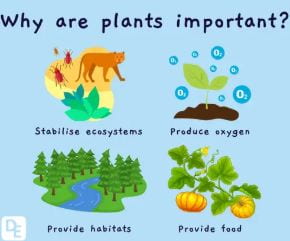
Plants are at the beginning of every food chain that involves the Sun. All energy comes from the Sun, and plants make food with that energy using the process of photosynthesis. Energy in the form of nutrients and food is passed onto other organisms when they eat (consume) the Plants.
Keystone species
Keystone species play a vital role in maintaining the structure, function, and stability of their ecosystems. Their removal or decline can have far-reaching consequences, leading to the loss of biodiversity, alteration of ecosystem processes, and even ecosystem collapse.
The grey wolf in Yellowstone is a good example of a keystone species. Re-introducing the wolf controls the herbivores in the park, massively impacting the diversity of the ecosystem. Even though wolves constitute a tiny fraction of the organisms, they have an immense effect
Examples of keystone species
- Sharks
- Grey wolf
- Sea otters
- North American Beaver
- Bees
- Saguaro Cactus
Task
In our task, we had to partner up and select an animal from the provided list above. My buddy Felice and I chose sharks, and after reviewing various species, we decided to focus on the tiger shark due to its fascinating characteristics. We used Canva for our project, which made the process both enjoyable and straightforward. Overall, collaborating with Felice allowed us to creatively present our findings in a visually appealing way.
Here is my task –
Thanks for reading
Shreeya