Category: Tohatoha | Share

Cloze Exercise – Drama

Kia Ora everyone, welcome back to my blog. Today was a bit different in drama class because a relief teacher filled in for our regular instructor. Instead of our usual activities, we had some writing work to complete. The teacher started by reading us a story, which was engaging and sparked my imagination.

After the story, we were given the choice to select a writing level that we felt comfortable with. I took a moment to consider my options, and I eventually picked a level that seemed just right for me. It was a good balance.

Once I settled on my level, I jumped right into the activity. I focused on trying my best, adding the words in the missing spots. Now that I’ve completed the task, I’m here sharing my experience with all of you through this blog post. This blog post will include some things about Show Quest.

Task –


The RESORT

PUT these words on the correct places: bad: bored;  track: ancient : bay:  kayaks :palms:  tans

The resort hid behind a fringe of palms that overlooked a curve of powder-white sand.  The guests were busy: working on tans by the pool, booking kayaks and massages,  snoozing. At night, they ate too much and drank too much and listened to bad music as if the rest of the world didn’t exist. It was an adults’ place, and Ava was bored.  On the third day, she noticed a sign at the far end of the bay. It pointed along a track that led through the rocks, then up over the headland. Ava told Mum about it. “What ruins?”  “The sign just says ancient ruins to come and look?” 


The VILLAGE

PUT these words on the correct places: heat, rust, surprise, hot, dusty, bleak, dirt, thorns

The track climbed quickly, the dusty path hemmed in on both sides by sharp, volcanic rock. Rust-coloured dirt coated Ava’s sandals and stuck to her skin. It was baking hot,  and the landscape was dry and bleak, the scrappy bushes more thorns than leaves.  The lushness of the resort seemed odd now, and so far away. Ava glanced back and saw that she was already on her own. No surprise that guests wouldn’t come here.  It was a lonely, unfriendly place of heat and sweat. 


LIST as many adjectives and adverbs as you can find

Adjectives [describing nouns] Adverbs [describing verbs]
Coloured, Dry, Scrappy, Bleak, Unfriendly, Odd, Lonely,  Now, here, quickly, far

What is Show Quest?

Show Quest is an interactive performance program that allows participants to showcase their talents in various artistic disciplines, including singing, dancing, acting, and more. It often involves teamwork and creativity, as groups or individual performers collaborate to create engaging shows for audiences. The goal is to encourage self-expression and build confidence through the performing arts.


What are some cool things about it –

1. Diverse Talents: Participants can showcase a wide range of skills, from acting to choreography, allowing for a vibrant mix of performances.

2. Team Collaboration: It fosters collaboration among participants, teaching valuable teamwork skills and enhancing social connections.

3. Creativity Boost: The program encourages creative thinking as participants come up with unique concepts for their acts.

4. Skill Development: Participants have the opportunity to improve their performance skills through practice and constructive feedback.

5. Inclusivity: Show Quest welcomes performers of all backgrounds and skill levels, promoting a sense of community.

6. Live Audiences: There’s an exciting rush in performing live, which helps build confidence and stage presence.

7. Learning Opportunities: Workshops and sessions with experienced mentors provide learning experiences that enhance participants’ craft.

8. Cultural Exchange: Depending on the setup, participants can explore various cultural performances and styles, enriching their artistic palette.

9. Networking: It’s a great way to meet others in the performing arts community, which can lead to future collaborations or opportunities.

10. Memorable Experience: Show Quest often creates lasting memories, as participants make friends and share their passion for the performing arts.

Thanks for reading,

Shreeya

Eruera Maihi Patuone – Literacy Class

Kia Ora readers, welcome back to another blog post. I’m here to share what I’ve learned over the past two weeks about Eruera Maihi Patuone, a notable figure in New Zealand history. He played a significant role during the conflicts between the Ngāpuhi and Roroa. In this post, I’ll dive deep into who he was, what he did, and some fascinating facts that highlight his contributions and legacy and way more for you to stay entertained. Enjoy!


Who is Eruera Maihi Patuone?

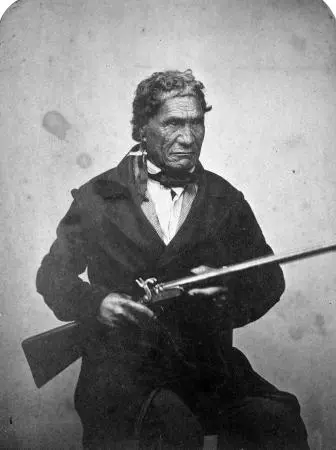
O.004269 Eruera Maihi Patuone | Te Papa's Blog

Eruera Maihi Patuone was an important Māori leader and warrior born around 1764. He belonged to the Ngāpuhi iwi (tribe) and was known for his significant impact on the conflicts during the Māori wars. Patuone wasn’t just a warrior, he was also a respected chief and a skilled mediator. His leadership skills and strategic thinking made him a towering figure among his people. He was one of the few Māori leaders who understood the complexities of both Māori culture and European influences. This ability allowed him to navigate the challenging political landscape of his time effectively.


What did he do?

Portrait of Eruera Maihi Patuone by John Nicol Crombie | Record | DigitalNZEruera Maihi Patuone played a crucial role in many conflicts between the Ngāpuhi and other iwi, especially the Roroa. His involvement in battles was not solely based on a thirst for violence, he aimed to protect his people and their lands. One of his notable achievements was his participation in the Northern Wars during the 1840s, where he led his people in battle while also seeking justice and peace. Patuone was a mediator in many situations, and he often advocated for negotiation before resorting to violence.
In addition to his military role, Patuone was instrumental in signing the Treaty of Waitangi. This treaty was an agreement between the British Crown and Māori chiefs, aimed at establishing guidelines for land ownership and governance. While the treaty’s implementation has been debated over the years, Patuone’s involvement demonstrates his commitment to securing a better future for his people through diplomacy.


Why did Eruera Maihi Patuone do this?

Eruera Maihi Patuone - Wikipedia

Patuone’s actions were driven by a deep sense of responsibility toward his people and their survival. The arrival of European settlers brought significant changes to Māori life, including land dispossession and cultural shifts. With these threats looming, he desired to protect Ngāpuhi’s interests in various ways. By engaging in warfare, he aimed to defend his tribe and their territories, ensuring that they could maintain their way of life.

At the same time, Patuone recognised the benefits of aligning with European powers. By signing the Treaty of Waitangi, he hoped to protect his people through a legal framework that acknowledged Māori rights. In essence, his efforts were about striking a balance between defending his culture and adapting to the new environment that the Europeans presented.


Interesting information about him

One interesting fact about Eruera Maihi Patuone is that he was known for his incredible skills in stamping alliances. Understanding that unity could strengthen his people’s position, he often brokered peace among warring iwi. He believed in the power of collaboration, which helped to stabilise his community during turbulent times.

Another noteworthy aspect of Patuone’s life is his later conversion to Christianity. He became a distinguished member of the Church Missionary Society and was known for his efforts in promoting education within Māori communities. This transition showcased his adaptability and willingness to embrace change while still advocating for his culture.


For more information on Eruera Maihi Patuone, you can visit these links:

1. [Te Ara Encyclopedia of New Zealand]

2. [NZHistory.govt.nz]

3. [Geni]

4. [Natlib]


Task  –

Story: Link


Vocab Task:


Authenticity of the story:

Checking if the Patuone story is true:

To find out if the story was about Eruera Maihi Patuone is true, I searched for information online. The story I read was written by Fraser Smith and published in the School Journal Level 4 in 2022. This is a journal made by the New Zealand Ministry of Education, which means it’s designed to teach students real and important parts of New Zealand history.

To make sure, I looked at other trusted history sites like Te Ara, which is a government website with information written and checked by experts, and it confirmed many of the details in the article. Patuone was a rangatira (chief) from Hokianga, and he came from a well-known Māori family. He was related to other famous leaders like Nene and Hongi Hika. When he was a child, he likely saw people from Captain Cook’s crew, which is mentioned in the article. Later, he became involved in the Musket Wars and worked hard to bring peace between Māori and Pākehā. He signed the Treaty of Waitangi and also signed He Whakaputanga, the Declaration of Independence.

The article also talks about how Māori began trading with Europeans, growing crops like potatoes and wheat, and using tools like spades and muskets, which helped their communites. These are real things that happened. Missionaries arrived in New Zealand and the Musket Wars were a big part of Māori history at that time. Patuone lived through all these events and played an important role. He was known as a peacemaker and was respected by both Māori and Pākehā.

Even though a few small details like exactly how old he was when Cook arrived can’t be fully proven, the main facts in the article are backed up by real evidence and sources. Everything I found in other places matched what the article said. I think it’s a true and reliable story. Learning about Eruera Maihi Patuone helped me understand how one leader made a big difference in the past and how Aotearoa New Zealand changed during his lifetime.

Reflection and Conclusion –

I really enjoyed researching Eruera Maihi Patuone and learning about his incredible life and contributions. He was an impressive figure who worked tirelessly for his people and played a significant role in New Zealand’s history. I found everything about him inspiring and admired his dedication and hard work, which made it easy for me to appreciate the impact he had on those around him. In conclusion, I want to highlight how much his efforts benefited his community and shaped the future.


Thanks for reading,

Shreeya

Light Continued… – Science Class

Hello everyone, welcome back to my blog. I’m really excited to share what we learned in science class today. We continued our exploration of light, which is such a cool topic.

In today’s lesson, we dove deeper into the nature of light. We discussed how light behaves as both a wave and a super cool particle. It was interesting to learn about concepts like reflection, refraction, and how different materials can affect the way light travels. We even saw prisms, which split white light into a rainbow of colours. It was so awesome to see how light can create such beautiful visuals.

We also talked about the importance of light in our everyday lives, from helping plants grow to enabling us to see the world around us. It’s incredible how something so seemingly simple can be so complex and vital.

Light Energy –

Light primarily comes from the sun, and life as we know it would be impossible without it. Plants use sunlight to create food through a process called photosynthesis. Light is a form of energy that travels in all directions at incredibly high speeds, reaching up to 300,000 kilometres per second. Light rays move in straight lines, and when they encounter an object, they can:

Pass through it (glass), OR Bounce off it (mirror), OR Absorb the light (roading).

The distance light can travel through space in one year is called a light year.

The distance from the sun to Earth is 150.36 million km

Sensing light –

Our eyes detect light, enabling us to see the objects around us. In the dark, our vision is limited because there is little to reflect light rays into our eyes. Light reflects off both smooth and rough surfaces.

We can only see light if the object is…

  1. Transparent – glass
  2. Oqaqie – chair
  3. Translucent – Frosted glass

Shadows –

A shadow is created when light cannot pass through an object. Light flows around the object, forming an outline of its shape. A lunar eclipse occurs when the Earth’s shadow falls on the Moon.

Examples:

X-Rays – Shadow of bones

Sundials – shadow clock

Reflection

Reflection occurs when light bounces off a surface, and this phenomenon happens when the surface effectively returns the light that strikes it.

Mirrors are exceptional at reflecting light because they possess a special backing that bounces the light back when it makes contact with the surface.

Can we see a beam of light?

In normal air, a beam of light is typically invisible.

What about seeing a fogged bathroom mirror? Why does this happen?

This occurs when steam from hot water condenses on the mirror. The moisture forms tiny droplets that create a foggy appearance, obscuring our view of the reflective surface.

Refraction

Bending light is a phenomenon known as refraction. When light travels from one material to another with a different density, it changes direction or bends. Light moves more slowly in denser materials, such as water, compared to less dense materials like air. As a result, this bending causes objects to appear larger.


Thanks for reading my blog

Shreeya

What is light? – Science Class

Kia ora everyone, welcome back to my blog. Today, I’m excited to share what we learned in science class about light. Light is all around us, and it’s such a fascinating topic. In this post, I’ll tell you what light is, answer some common questions, and explore the difference between natural and man-made light sources. For instance, natural light comes from the sun, moon, and stars, etc., while man-made light includes everything from light bulbs to neon signs. I hope you find this blog post both interesting and informative.

  1. Light is a type of energy
  2. Light travels at 300,00 km per second
  3. Light is either man-made, like a bulb or natural, like the sun.
  4. Light is in a spectrum called the electromagnetic spectrum.
  5. There are other kinds of light, like ultraviolet (UV) rays and infrared, that our eyes can’t see, but they can still affect us by UV which can give us sunburns.
  6. Light travels in a straight line. When it hits an object, it can bounce, reflect bend, refract, or be abrose. That’s why we can see rainbows, shafts, of different colours.
  7. Light is also important in technology. Kasers, lightbulbs and even the screen you’re reading this on all use light in special ways.

Questions –

1. Why would Earth be different without light from the sun?

Without sunlight, everything would be pitch black, and our world would be a very sad and colourless place. We wouldn’t be able to see the beautiful colours of nature, and it would be hard to do anything at all. Life as we know it relies on light for visibility and growth.

2. What can you guess about how we see colour based on how light travels?

When light enters our eyes, special light receptors send messages to our brain, allowing us to experience the sensation of colour. Our eyes and brain work together to translate the light surrounding us into the colourful world we see.

3. Why might scientists study parts of light we can’t see?

Scientists are curious about the entire electromagnetic spectrum, including parts that are invisible to our eyes, such as X-rays and infrared light. These wavelengths can tell us so much about the universe, like the atomic structure of materials or how molecules behave. Studying these invisible forms of light helps scientists explore things that we can’t see otherwise, from distant galaxies to the tiniest particles.

4. How does light help both nature and technology?

In nature, light is essential for photosynthesis, the process through which plants convert sunlight into food. This process not only supports plants but also powers the entire food chain. Light also drives weather patterns and the water cycle. In terms of technology, light enables communication (like with fibre optics), helps us see things clearly with cameras, and plays a crucial role in advanced medical imaging techniques.

5. What clues show that light is more than just something we can see?

It’s pretty cool to realise that light includes much more than what we can see. The electromagnetic spectrum shows a wide range of light that extends beyond visible light, such as radio waves, microwaves, and gamma rays. While we can’t see these types of light, they have significant effects on our environment and are used in tons of scientific and technological applications. In summary, light is a fascinating and vital part of our world.

Here are some examples of natural and man-made light sources:

Natural Light Sources:

  •  Sun
  •  Moon
  •  Fire
  • Aurora lights
  • Bioluminescence

Man-made Light Sources:

  • Light bulbs
  •  Car headlights
  •  LED lights
  •  Lamps
  •  TV screens
  •  Laptop screens
  •  Torches

I hope you found this blog post as interesting as I did. Feel free to share your thoughts or ask questions in the comments below.

Thanks,

Shreeya

Communication – Science Class

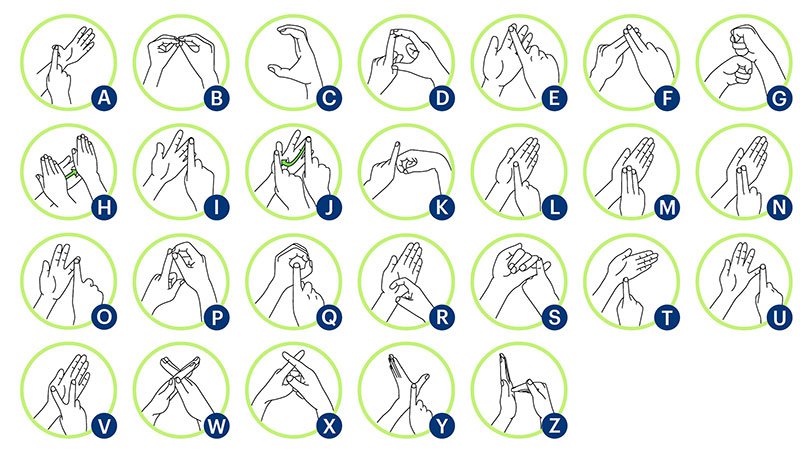
Hello everyone, welcome back to my blog for our science class. Today, we learnt the topic of communication. We learned that communication isn’t just about speaking; it includes various methods such as actions, facial expressions, and sign language. For an interesting experiment, we each signed our names in sign language and recorded our performances. This exercise helped us appreciate the importance of non-verbal communication and the beauty of sign language in connecting with others. I learnt sign language last year, so that’s why it was easy to say my name.

Throughout the lesson, we explored different ways we communicate in our daily lives, whether verbally or non-verbally. We also reflected on the challenges of not being able to speak, which deepened our understanding of the power of communication. It was a great reminder of how vital these skills are in our interactions. I hope you enjoyed this insight, and I look forward to sharing more about our learning.

How do we communicate?

It is a basic human need to communicate with each other. We do it in all different ways. There are two different ways of communication: talking verbally and showing actions.


What if you couldn’t speak? 

How can you communicate if you cannot speak?

  1. Body language – facial expressions, eye contact and posture.
  2.  Writing and text – emails, texts, letters and typing.
  3. Visual aids – photos, pictures, diagrams, drawings and maps.
  4. Cued speech – hand movements (sign language), gestures and mouth movements.


Sign Language Poster –

Learning Sign Language basics - MAS


Video explaining my name –

I am talking, so you know what I am saying.


Thanks for reading

Reading Activities – Literacy Class

Over the past two weeks in our literacy class, we heard a story, “Whaitere – The Enchanted Stingray.” My group, Whā, had to complete six activities that not only enhanced our understanding of the story but also deepened our appreciation for cultural myths and legends. The first task was straightforward and interesting, as my teacher read the story of the Enchanted Stingray. Learning about Whaitere, a magical stingray, and exploring the themes in the narrative was engaging.

After reading the story, we watched a video that explained the significance of myths and legends in different cultures. This helped us understand the deeper meanings behind the story and its characters. For our learning task, we made a copy of slides where I answered comprehension questions and explored parts of speech related to the text. This helped reinforce our understanding and allowed us to analyse the story more critically. I particularly enjoyed choosing one of the eight options for our vocabulary task, and I chose to create a digital poster. This choice suited me well as I love making a poster.

The next part of our task involved creating a drawing where we followed a video tutorial to draw our own stingray. It was a fun and artistic way to express the character we had read about, and I was pleasantly surprised by how well my drawing turned out. Finally, we had a shared task, which required writing a blog post summarising the purakau and sharing our thoughts on its significance. This allowed me to reflect on what I learned and to think about the moral lessons present in the story. Overall, this unit was both educational and enjoyable, and I’m excited to share what we discovered about the enchanting world of stingrays.


Summary of Purakau and the thoughts of the meanings –


Summary:

In this story, Koro Pat shares a tale with three children about Whaitere, an enchanted stingray. Whaitere lives in a bay threatened by fishermen who catch sea creatures, including her parents. After losing them, Whaitere becomes sad and hides at the sea floor until she receives a message from the currents. Guided by the spirit Hinemoana, she discovers her parents in the underworld, Rarohenga, where they have transformed into beautiful, colourful creatures. They instruct Whaitere to become a guardian of the overworld and teach respect for the sea. Upon returning, Whaitere helps her fellow sea creatures stand up against the destructive fishermen, advocating for their rights to their home. Through her magic and courage, she earns the title of kaitiaki, uniting the people fish and sea creatures in harmony.


Thoughts on the Meaning:

The story conveys significant themes of loss, resilience, and the interconnectedness between nature and humanity. Whaitere’s journey represents the struggle against external threats to one’s home and the importance of guardianship over the environment. Her transformation into a kaitiaki symbolises the idea that with empowerment and love, individuals can advocate for change and promote balance in their ecosystem. The narrative also emphasises respect for ancestral knowledge and the role it plays in guiding future generations. Ultimately, it serves as a reminder of the responsibilities we hold towards our environment and the importance of harmony within the natural world.


Video about Myths and How to draw your own stingray –

Digital Poster (Vocab Task) –


My Stingray Drawing –

I added a different colour because the real colour is grey, not blue!


Reflection and Conclusion –

Reflecting on the past two weeks of learning, I found the experience to be both enjoyable and exciting. I appreciated the opportunity to learn deeper into the topic, which sparked my curiosity and motivated me to explore new aspects. The absence of significant challenges allowed me to focus entirely on the learning process, which contributed positively to my overall experience.

One area where I feel I could improve is in achieving a closer match to the reference image for my stingray project. While I put my best effort and was pleased with my progress, there’s always room for growth in refining my skills and techniques.

Overall, I hope my blog post provided to be engaging and that both informative and enjoyable for you, readers. I look forward to continuing this journey of exploration and learning, and am excited to see where it leads me next.

Thanks, see you in my next blog post with a new concept and new learning, but for now, BYE!

Shreeya

What is sound – Science Class

Hello everyone, and welcome back to my blog. Today, I’m excited to share what we learned in science class about sound. We explored what it is and how it travels, as well as answering some questions about the science behind our ability to hear. It was an experience that deepened my understanding of how sound waves interact with our environment and how our ears and brains work together to process these vibrations. I found this topic engaging and hope you also find this blog post informative and enjoyable.

What is Sound?  

Sound is a type of kinetic energy resulting from the movement of vibrating molecules. Our ears pick up these vibrations, and our brains interpret them as sound.

Sound is composed of vibrations that move in waves from one molecule to another. We can both see and hear these waves, particularly as they bounce off different surfaces.

Louder sounds create larger vibrations that can travel farther than softer sounds, like whispers. For example, we can hear a plane flying overhead because its loud noise produces substantial sound waves that reach us over longer distances.


Q: Why do our ears have that shape?  

A: The shape of our ears enables us to pick up various sound waves while protecting them from potential damage.


Q: Why do rabbits have long ears?  

A: Rabbits have long ears as an evolutionary adaptation that helps them detect faint sounds during nighttime.


How We Hear:

1. Sound waves enter through the ear canal.

2. These waves create vibrations in the middle ear’s bones.

3. The vibrations are then transformed into electrical signals within the cochlea.

4. Finally, these signals are transmitted to the brain through the auditory nerve pathways.

Thanks for reading,

Shreeya

Top Strengths v.s Middle Strengths v.s Low Strengths – Health Class

Hello everyone, and welcome back to my blog. Today, my class was learning about personal strengths, a topic we explored during our recent health class. We kicked things off with an engaging quiz designed to help us identify our strengths and areas for improvement. After analysing my results, I discovered my top 24 strengths, and I’m excited to share my findings with you. In this blog post, I will add my top 5 standout strengths, discuss my 15 middle-range strengths, and list my top 4 lower strengths, along with my thoughts on which strengths I believe should be ranked higher.

Top Strengths –

  1. Honesty: Speaking the truth, but more broadly presenting oneself in a genuine way and acting sincerely; being without pretence; taking responsibility for one’s feelings and actions.
  2.  Love: Valuing close relations with others, in particular those in which sharing & caring are reciprocated; being close to people.
  3. Perseverance: Finishing what one starts; persevering in a course of action despite obstacles; “getting it out the door”; taking pleasure in completing tasks.
  4. Social Intelligence: Being aware of the motives/feelings of others and oneself; knowing what to do to fit into different social situations; knowing what makes other people tick.
  5. Fairness:
    Treating all people the same according to notions of fairness and justice; not letting feelings bias decisions about others; giving everyone a fair chance.

Middle Strengths –

6. Hope: Expecting the best in the future and working to achieve it; believing that a good future is something that can be brought about.

7. Self-Regulation: Regulating what one feels and does; being disciplined; controlling one’s impulses and emotions.

8. Prudence: Being careful about one’s choices; not taking undue risks; not saying or doing things that might later be regretted.

9. Teamwork: Working well as a member of a group or team; being loyal to the group; doing one’s share.

10. Judgement: Thinking things through and examining them from all sides; not jumping to conclusions; being able to change one’s mind in light of evidence; weighing all evidence fairly.\

11. Bravery: Not shrinking from threat, challenge, difficulty, or pain; speaking up for what’s right even if there’s opposition; acting on convictions even if unpopular; includes physical bravery but is not limited to it.

12. Creativity: Thinking of novel and productive ways to conceptualise and do things; includes artistic achievement but is not limited to it.

13. Love of Learning: Mastering new skills, topics, and bodies of knowledge, whether on one’s own or formally; related to the strength of curiosity but goes beyond it to describe the tendency to add systematically to what one knows.

14: Gratitude: Being aware of and thankful for the good things that happen; taking time to express thanks.

15. Zest: Approaching life with excitement and energy; not doing things halfway or halfheartedly; living life as an adventure; feeling alive and activated.

16. Humour: Liking to laugh and tease; bringing smiles to other people; seeing the light side; making (not necessarily telling) jokes.

17. Leadership: Encouraging a group of which one is a member to get things done and at the same time maintain good relations within the group; organising group activities and seeing that they happen.

18. Kindness: Doing favours and good deeds for others; helping them; taking care of them.

19. Appreciation of Beauty & Excellence: Noticing and appreciating beauty, excellence, and/or skilled performance in various domains of life, from nature to art to mathematics to science to everyday experience.

20. Forgiveness: Forgiving those who have done wrong; accepting others’ shortcomings; giving people a second chance; not being vengeful.

Bottom Strengths –

21. Perspective: Being able to provide wise counsel to others; having ways of looking at the world that make sense to oneself/others.
22. Humility: Letting one’s accomplishments speak for themselves; not regarding oneself as more special than one is.
23. Curiosity: Taking an interest in ongoing experience for its own sake; finding subjects and topics fascinating; exploring and discovering.
24. Spirituality: Having coherent beliefs about the higher purpose and meaning of the universe; knowing where one fits within the larger scheme; having beliefs about the meaning of life that shape conduct and provide comfort.

What strengths should be ranked up?

  • (13) Love of learning – I really love learning, and I think this should be ranked higher because the love of learning I have is a lot and I like to learn new things. So that’s why I think this should be ranked higher.


  • (17) Leadership – Leadership is a big role in my life, helping others, organising group activities, and maintaining good relations within the group are very important and I think I am very good at that.


  • (18) Kindness – I am very kind to my friends, teachers, staff and other people around. I share kindness by helping them, offering help, or voluinturng to do something is what I do a lot.


  • (24) Spirituality – Spirituality is an important place in life, as I believe in a higher purpose and meaning within the universe. This belief not only shapes my understanding of life but also guides my conduct and provides comfort. Therefore, I feel that it deserves a higher position, ideally placing it in the mid-range, around 10 to 15.


Reflection and Conclusion –

I thoroughly enjoyed working on this task, and I found the process of writing this blog to be surprisingly straightforward, as I had a clear understanding of the requirements. Some of the rankings truly surprised me, but overall, I felt the health class was incredibly fun. Through this exercise, I discovered strengths within myself that I hadn’t recognised before, which was a rewarding acknowledgement. If you are interested in giving this app a try, here’s the link.

Thanks for reading,

Shreeya

Energy in a catapult – Science Class

Hello everyone, and welcome back to my blog. Today, we continued learning about energy. In this class, we were focusing on how rubber bands can store and release energy when launched. Our exciting project involved building catapults using various materials like popsicle sticks, spoons, and rubber bands, allowing us to see these energy principles in action. Each design choice affected how far and powerfully our catapults could launch objects, highlighting the fascinating interplay between potential and kinetic energy. I encourage you to try this fun experiment at home. It’s a great way to combine creativity with learning. I can’t wait to hear about your experiences and the impressive designs you come up with.

Aim: To make a catapult that uses electric and kinetic energy.

Materials:

  • Popcical Stick (7)
  • Rubber bands (at least 5)
  • Spoon (1)
  • Cotton ball (If you don’t have any available, you can make a small ball by crumbling some paper.)
  • Small open area (One square meter will do it. It should be a sturdy flat surface, such as a table or floor.)
  • Optional: Markers to decorate your popsicle sticks.

Steps

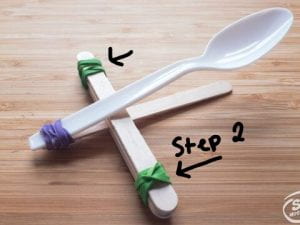
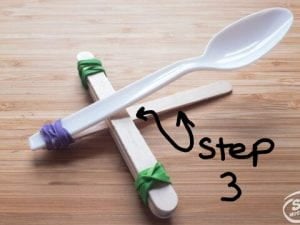
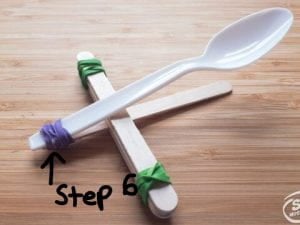
1. Prepare the Base: Take 6 popsicle sticks and stack them horizontally on top of each other. Ensure they are aligned properly for stability.

2. Secure the Sides: Use rubber bands to secure both ends of the stacked sticks. Wrap the rubber bands tightly around the ends to hold the sticks firmly in place.

3. Add the Arm: Take another popsicle stick and place it vertically on top of the stack, making sure it’s centred. This will serve as the arm of your catapult.

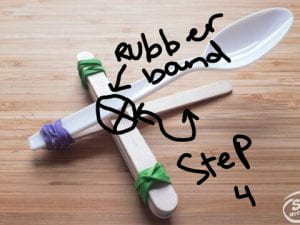
4. Cross-Lock It: Use two rubber bands to create an ‘X’ shape around the vertical stick and the horizontal stack. This will add extra support and stability to your catapult arm.

5. Attach the Spoon: Position a plastic spoon in the middle of the vertical stick. Ensure the bowl of the spoon is facing upwards.

6. Secure the Spoon: Use a rubber band to attach the spoon securely to the stick. Wrap the band around the spoon’s handle and the catapult arm for stability.

7. Catapult Complete: Your catapult is now assembled and ready for action! Enjoy launching small objects safely.

Different Energies –

Heat Energy –

  • Fire
  • Sun

Light energy –

  • Torch
  • Light Bulb

Sound Energy –

  • Speaker
  • Microphone

Gravitational Potential Energy –

  • Dropping something
  • Falling Objects

Electrical Energy –

  • Solar Panels
  • Microwave

Chemical Potential Energy –

  • Petrol
  • Batteries

Kinetic Energy –

  • Dogs Running
  • A picture frame falling from a wall

The Law of Conservation of Energy –

Energy can not be created or destroyed, but it can be transformed from one form to another. Scientists call this the “Law of Conservation of Energy”. Energy transformations cause all of the change that occurs around you.

For example, when you turn on your mobile phone, chemical potential energy in the battery is turned into electrical energy. The electrical energy is then turned into light energy for the screen, sound energy for the screen, and sound energy for the speaker. These changes can be summarised in every transformation.


Fill in the blanks –

a) Light bulb converts electrical energy to light energy.

b) Petrol motor converts chemical potential energy to kinetic energy.

c) Speaker converts sound energy to electrical energy.

d) Match converts chemical potential energy to heat energy.

e) Microphone converts electrical energy to sound energy.

f) Heater converts electrical energy to heat energy.

g) Kitchen mixer converts electrical energy to kinetic energy.

h) Jack in the box converts elastic potential energy to kinetic energy.

i) Ball moving upwards converts kinetic energy to gravitational potential energy.


Thansk for reading, that what we did in science class today, it was very fun.

Thanks

Shreeya

Kai – Social Studies

Hello everyone, welcome back to my blog. This week, my class has been learning about kai, which means food in Māori culture. We read stories and articles exploring the fascinating history and various aspects of kai, which I found incredibly interesting.


What is Kai?Kai Waho | Maori Cuisine, Cultural & Wilderness Experience

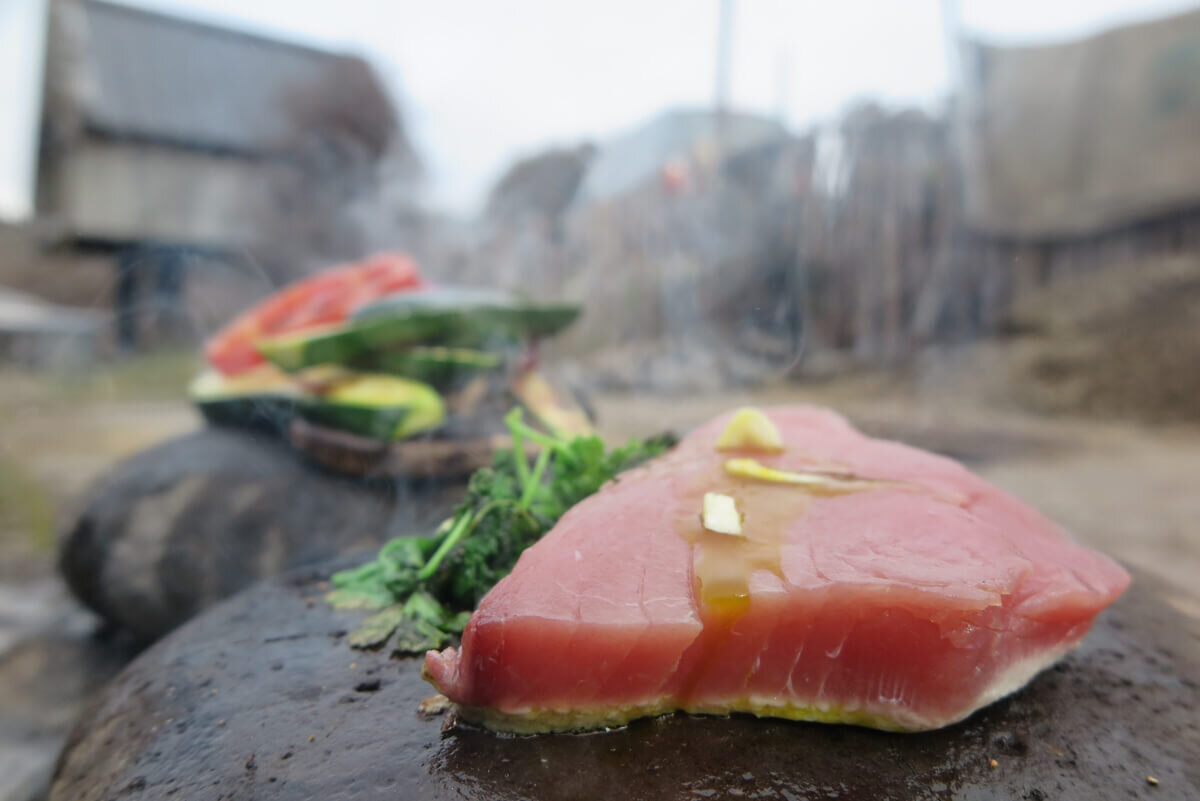
Kai refers to food in the Māori language, and it’s not just about what we eat, it’s a significant part of Māori culture and identity. Kai surrounds traditional foods such as kumara (sweet potato), fish, bird, and native plants that have been gathered for generations. It reflects the connection to the land and sea, highlighting the importance of sustainability and respect for nature in Māori customs.


How Do Māori Cook Their Kai?

Let's Cook Some Maori “Kai“. New Zealand's indigenous people — the… | by Slobodan Plavsic | New Zealand thoughts | Medium


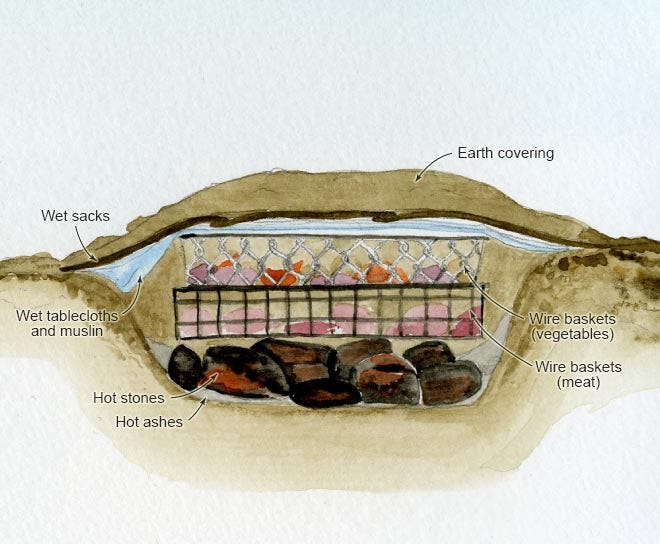
Māori have unique cooking methods that are deeply rooted in their traditions. One popular method is cooking food in an earth oven called a hangi. In a hangi, a pit is dug in the ground, heated with hot stones, and then covered with food wrapped in leaves. This method ensures that the food is steamed and infused with the flavours of the earth, creating a delicious and unique taste.


Interesting Aspects of Kai in Māori Culture

What I find particularly interesting about kai in Māori culture is the emphasis on community and sharing. When a meal is prepared, gathering family and friends to enjoy the kai together is common. This act of sharing food symbolises love, respect, and the bonds between people. Additionally, many traditional recipes have been passed down through generations, preserving not only the flavours but also the stories and traditions that come with them.


Reflection

During my concentration on these activities and the reading of the articles, I discovered new information that expanded my understanding significantly. I enjoyed the tasks presented, finding them both challenging and rewarding. The level I chose was comfortable as I chose the stage legend, which made the learning process all the more engaging.

Conclusion

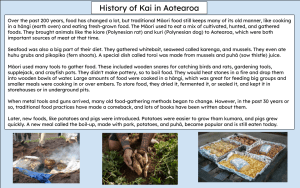
In conclusion, my learning about kai has opened my eyes to the rich cultural significance of food in Māori society. It’s not just about nutrition, it’s about community, history, and connection to the earth. I’m excited to continue exploring this topic and sharing what I learn with you all. Below, I’ve included my information poster about what I’ve learned about Kai.

Task

Thanks for reading

Shreeya