Category: Ako | Learn

Textiles – A choice activity || Textiles

Hello, bloggers, welcome back to my blog.

Since our textiles teacher was absent, we had to do some extra activities. I engaged in several tasks, including word finds, word art, and a few other activities. I hope you enjoy what I’ve shared.

Word Find


Word Art


Research Task

Research how sewing machines have developed over time.

Sewing machines have evolved significantly over the years. 

In the late 1700s, Thomas Saint created the first sewing machine design, but it wasn’t built. In the 1800s, Elias Howe patented a machine featuring a lock stitch. Isaac Singer made it more popular by adding a foot pedal for easier operation.

By the late 1800s, mass production made sewing machines widely available. In the mid-20th century, machines gained features like zigzag stitches and automatic buttonholes, making sewing a popular craft.

Today, many sewing machines are computerised, allowing for advanced designs and embroidery, with a focus on sustainability and energy efficiency.


Thanks,

That’s all the tasks I did in textiles I did.

Shreeya

Women’s Suffrage || Literacy

Kia ora everyone, and welcome back to my blog. This week in literacy, my class has been learning all about women’s suffrage, something I didn’t know much about before. It’s actually been really interesting to learn about the history and understand how women fought for the right to vote and have a say in decisions that affect their lives.

In this post, I’ll be sharing some of the tasks I completed during our lessons, explaining what women’s suffrage actually is, and answering a few questions we explored in class. I’ve learned a lot about the struggles women went through and how their determination changed history. I hope you enjoy reading and maybe even learn something new too.

What’s Women’s Suffrage?

Women’s Suffrage: A Journey Towards Equality

Women’s suffrage refers to the movement advocating for the right of women to vote in elections. This struggle began in the late 19th century and gained momentum through the early 20th century, as women campaigned tirelessly for equality and representation in political processes. Advocates highlighted the injustices faced by women, arguing that their voices were essential in shaping laws and policies that affected their lives and communities.

The movement achieved significant milestones, with various countries granting women the right to vote at different times. In the United Kingdom, the Representation of the People Act 1918 was a pivotal moment, allowing women over the age of 30 to vote, followed by equal suffrage in 1928. The fight for women’s suffrage not only transformed political landscapes but also inspired subsequent movements for gender equality and social justice across the globe.

My Task –

In reading, we had to complete a set of tasks, which were:

Task 1

Prior Knowledge

We had to complete a task and fill in the first 2 columns – ‘What I Know’ and ‘What I Want To Know’.

What I know

I know that women were not allowed to vote, so they protested and worked hard to gain the right to have a say in parliament and elections. The women’s suffrage movement helped women gain other rights like fairness in society, access to education, etc.

What I want to know

  • Did the women’s suffrage movement help women in other ways besides voting?
  • What does women’s suffrage mean?
  • When did women start fighting for their rights?
  • Who were the important leaders in the women’s suffrage movement?
What have I learnt

From this article, I learned that New Zealand was the first country in the world to give women the right to vote in 1893. Women had to work hard and fight for their rights through petitions, speeches, and advocacy, despite strong opposition from powerful people like Prime MinisterRichards Seddon. I also learned about key figures like Kate Sheppard and Mary Ann Muller, who played important roles in the suffrage movement. Their discovery helped bring about a major change in history and inspired similar movements in other countries.


Task 2

Watch

Watch this video with your teacher and take notes.

Link to Video


Task 3

Read

Read this article about Women’s Suffrage.


Task 4

Using the article as a base, choose one aspect you would like to find out more about.  Using reputable websites, research your topic and create a visual way to explain what you learned – video, poster, slides, etc.

Kate Sheppard by Shreeya Patel
Task 5

Complete this ‘What I Know Now‘ task.  Add to your blog (along with Task 4) and reflect on – 

  • What you learned
  • Your thoughts and feelings on the topic


What I learnt

In my exploration of women’s suffrage, I learned that it was a really important movement for women’s right to vote. This struggle went on for many years, especially in the late 1800s and early 1900s. There were amazing leaders like Kate Sheppard and Mary Ann Muller, who worked super hard to fight for equality. This movement was about more than just voting, it was part of a bigger fight for gender equality and justice. Learning about this has made me appreciate how far we’ve come in the fight for women’s rights and how important it is to be involved in making a difference.


My thoughts and feelings on the topic

When I think about women’s suffrage, I feel really inspired. It’s amazing to learn about the brave women who fought for the right to vote. They faced so many challenges and didn’t give up, which shows how strong they were. It makes me appreciate the rights we have today and reminds me that it’s important to speak up for what we believe in. Learning about this topic has opened my eyes to the ongoing fight for equality, and it makes me want to be a part of making the world a better place for everyone. Women’s suffrage is not just history, it’s a lesson about courage and the power of standing together for what’s right.


Reflection

I really enjoyed learning about women’s suffrage because it showed me how brave women were in fighting for their rights. The stories of their struggles and victories were inspiring. I didn’t find anything hard about it, everything I learnt was interesting and made me think about how important equality is today.

Conclusion

In conclusion, the struggle for women’s suffrage was about so much more than just voting. It was also about equality and being treated fairly. This literacy week helped me learn about how women expressed their thoughts and pushed for change. We should remember and celebrate the hard work of those who fought for these rights. And let’s not forget, there are still many challenges for women today, so we must keep promoting education so everyone can have a say in our world.


Thanks for reading my blog. I hope you found it informative

Bye,

Shreeya

Adaptations || Science Class

Hello everyone, and welcome back to my blog. Today in science class, we delved into the fascinating world of adaptations. We explored what adaptations are and discovered some incredible examples in the animal kingdom.

In this blog post, I will share what I learned about how different animals have evolved unique traits to survive in their environments. From the camouflage of chameleons to the thick fur of polar bears, adaptations are truly remarkable. Join me as we uncover the wonders of nature and how these adaptations help animals thrive in their habitats. I hope you enjoy this exploration into the world of adaptations.

Adaptions

An organism’s survival depends on the abiotic and biotic factors in its habitat. Survival also depends on the organism’s characteristics. Characteristics that help the survival of an organism in its habitat are adaptations.

There are three types of adaptation:

  • Structural – the physical characteristics of an organism.
  • Functional – the chemical reactions and bodily functions of an organism.
  • Behavioural – characteristics that relate to specific behaviours of an organism.


More on Adaptations

Structural adaptations are the physical characteristics of the organism; they might be size, shape, colour or the way the various parts of the organism are put together.

Example: Cactus Leaves Adaptation: Spines instead of leaves to reduce water loss and protection from grazing animals.


Structural Adaptations

Examples are:

  • Leaf size (banana leaves)
  • Seed shape (oak seeds)
  • Flower shape and structure  (orchids)
  • Protective spikes (hedgehog)
  • Size or number of teeth (sharks vs sheep)
  • Type of skeleton (crayfish vs human) 

Mini Task

  • Choose an organism and put a picture in your blog.
  • Does it have any structural adaptations?
  • What are they?
  • How does this help with survival?

Leaf Size – Banana Leaves
Banana leaves are large, broad leaves that can grow up to 3 metres long and 60 centimetres wide.

Does it have any structural adaptations?
Yes, banana leaves have several structural adaptations.

What are they?

  1. Large Surface Area: The extensive surface area enables maximum sunlight absorption, facilitating efficient photosynthesis.
  2. Thin and Flexible Structure: This helps the leaves to withstand strong winds and heavy rainfall without tearing.
  3. Layered Structure: The leaves are composed of layers that enable water to run off, preventing water accumulation that could lead to fungal growth.

How does this help with survival?
These adaptations allow banana plants to thrive in tropical environments by optimising light capture for photosynthesis, reducing damage from environmental stresses, and minimising the risk of disease, ultimately ensuring their growth and reproduction.


Adaptations

Functional adaptations refer to the chemical reactions and bodily functions of an organism.

Example: Production of smelly chemicals – an adaptation to attract pollinators

Some plants, such as the corpse flower found in the rainforests of Sumatra, Indonesia, give out a smell like that of rotting flesh. The smell attracts the plant’s pollinators – dung beetles, carrion beetles and flesh flies – that typically would feed on dead flesh.


Functional Adaptations

Examples are:

  • Producing Venom (scorpions)
  • Producing smelly chemicals (skunk)
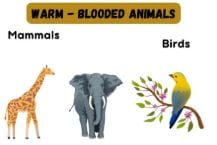
  • Being warm-blooded (birds and mammals)
  • Being cold-blooded (lizards and fish)
  • Able to digest plants (sheep and cows)
  • Water storage (cacti and Camels)

Mini Task

  • Does your organism have any functional adaptations?
  • What are they?
  • How does this help with survival?

Warm-blooded animal – Bird

Does your organism have any functional adaptations?

Yes, birds possess several functional adaptations that aid in their survival.

What are they?

  1. Hollow Bones: Many birds have hollow bones, which reduce their overall weight, allowing for easier flight.
  2. Feathers: Birds have feathers that provide insulation, aiding in temperature regulation.
  3. Beaks: The shape and size of a bird’s beak are adapted to their diet, enabling them to exploit specific food sources effectively.
  4. Respiratory System: Birds have a highly efficient respiratory system that includes air sacs for continuous airflow, providing a constant supply of oxygen.

How does this help with survival?

These adaptations enhance a bird’s ability to find food, evade predators, and thrive in diverse environments.

  • Efficient Flight: Hollow bones and feathers improve aerodynamics, allowing birds to escape predators and travel long distances.
  • Temperature Regulation: Feathers help maintain body temperature, enabling activity in harsh weather.
  • Specialised Feeding: Diverse beak shapes allow access to various food sources, reducing competition and enhancing survival.
  • Oxygen Supply: An efficient respiratory system supports high-energy activities, improving responsiveness to threats and mate finding.
    Overall, these adaptations are critical for a bird’s survival, enabling them to exploit resources and adapt to their environments.


Adaptations

Behavioural adaptations are characteristics that relate to specific behaviours of an organism.

Example: Being nocturnal (active at night) – an adaptation that allows predator avoidance

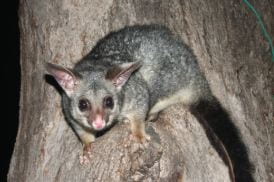
Animals such as the New Zealand brushtail possum, which are nocturnal, can avoid many potential predators such as humans and cats.


Behavioural Adaptations

Examples are:

  • Mating behaviours (birds and insects)
  • Aggression (lions and tigers)
  • Migratory behaviour (godwits)
  • Tools (apes)
  • Playing dead (possums)

Mini Task

  • Does your organism have any behavioural adaptations?
  • What are they?
  • How does this help with survival?

Tools – Apes

Does your organism have any behavioural adaptations?
Yes, apes possess several behavioural adaptations that aid in their survival.

What are they?

  1. Social Structure and Communication: Apes live in groups known as troops or bands, which allows for cooperative behaviours like grooming and food sharing. They communicate through vocalisations, gestures, and facial expressions, strengthening social bonds and enhancing group cohesion.
  2. Tool Use: Certain ape species, especially chimpanzees, have been observed using tools to obtain food, such as sticks to extract termites from mounds. This ability showcases their problem-solving skills and adaptability to their environment.
  3. Play Behaviour: Young apes engage in play, which is essential for developing social skills and learning survival strategies. Through play, they learn to interact with others and practice behaviours necessary for adulthood, such as foraging and conflict resolution.

How does this help with survival?

  • Enhanced Cooperation: Social behaviours promote group living, providing protection from predators and increasing foraging success.
  • Resource Acquisition: Tool use enables apes to access food sources that would otherwise be unavailable, improving their diet and nutritional intake.
  • Skill Development: Play behaviour contributes to the development of crucial life skills, enhancing their chances of survival in the wild.

Task –

  1. Choose an organism
  2. List one of each of the following
  • Structural adaptation
  • Behavioural adaptation
  • Functional adaptation

Chameleon

Structural Adaptation: Chameleons have specialised skin cells called chromatophores that allow them to change colour for camouflage and communication.

Behavioural Adaptation: They exhibit a behaviour of slow and deliberate movement to avoid detection by predators, as well as changing their colour in response to social signals or environmental conditions.

Functional Adaptation: Chameleons possess a long, sticky tongue that can extend rapidly to capture prey from a distance, aiding in their survival by allowing them to catch insects efficiently.

Thanks, that’s all for my blog, hope you enjoyed
Bye, Shreeya

Threats to the Eco-system || Science Class

Hello everyone, welcome back to my blog.

Today in science class, we explored the topic of threats to the ecosystem. We examined various features of these threats and watched a video that explained what happens within our ecosystems. During the class, we focused on the impacts, and I learnt a lot. I hope you enjoy this blog post.


Threats to the Ecosystem 

There are many factors harming ecosystems, including:

  • Habitat destruction 
  • Climate Change 
  • Pollution
  • Invasive species
  • overfishing/overhunting


Destroying habitats

Description: The clearing of forests, draining of wetlands, and urban development reduce natural habitats for many species.


Impact on Ecosystems:

Rainforests: Deforestation leads to loss of species and disruption of ecological balance.

Wetlands: Draining wetlands for agriculture or development reduces water filtration and flood control capabilities.


Climate Change 

Description: Rising global temperatures and changing weather patterns affect ecosystems worldwide.


Impact on Ecosystems:

Coral Reefs: Increased sea temperatures cause coral bleaching, reducing biodiversity.

Polar Regions: Melting ice affects species like polar bears and penguins, altering  food chains.


Pollution

Description: Contaminants in air, water, and soil harm organisms and ecosystems.


Impact on Ecosystems:

Oceans: Plastic pollution harms marine life, and oil spills can devastate entire marine ecosystems.

Freshwater Systems: Pesticides and industrial waste contaminate water sources, affecting aquatic species.


Invasive Species

Description: Non-native species introduced to an ecosystem can outcompete native species for resources.


Impact on Ecosystems:

New Zealand Forests: Possums, stoats, and rats threaten native birds and plants.

Lakes and Rivers: Invasive fish species can disrupt local aquatic ecosystems.


Then and Now Activity

Find a picture comparing an ecosystem that has been damaged by human activity. Write a sentence or two about what has caused this.

This image shows an ecosystem severely damaged by human activity, primarily due to deforestation and pollution. These actions have led to habitat loss and contamination of natural resources, which have significantly impacted biodiversity.


Thanks for reading,

Shreeya

Diversity || Science Class

Hello everyone, and welcome back to my blog.

Today in science class, we delved into diversity and biodiversity. It was truly enjoyable to explore this important topic, and I hope you find it just as engaging. We started our session by writing down key concepts related to diversity, which helped us understand its significance in our world. Following that, we watched an informative video that explained various aspects of diversity, from ecosystems to cultural differences.

In this blog post, I will share a variety of things we had to write down on our blog. So, sit back, relax, and enjoy this blog post. I hope you enjoy reading as much as I enjoyed learning.


What is Diversity? 

Biodiversity is the variety of organisms in an area.

Diversity changes with habitat

  • A rainforest is home to a large number of organisms.
  • A desert has very few organisms living there.

Biodiversity contributes to ecosystem services such as pollination, water purification, and climate regulation


Biodiversity and the ecosystem

Biodiversity gives us everything in nature that we need to live and breathe: medicine, shelter, food, and clean water. Functioning and well-balanced ecosystems provide us with these essentials we take for granted. Diversity is lost when species go extinct or when their habitat is destroyed.

Human activity is causing the extinction of huge numbers of species every year.


Plant Diversity


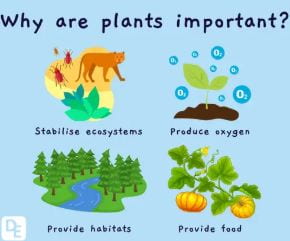
Plants are at the beginning of every food chain that involves the Sun. All energy comes from the Sun, and plants make food with that energy using the process of photosynthesis. Energy in the form of nutrients and food is passed onto other organisms when they eat (consume) the Plants.


Keystone species

Keystone species play a vital role in maintaining the structure, function, and stability of their ecosystems. Their removal or decline can have far-reaching consequences, leading to the loss of biodiversity, alteration of ecosystem processes, and even ecosystem collapse.

The grey wolf in Yellowstone is a good example of a keystone species. Re-introducing the wolf controls the herbivores in the park, massively impacting the diversity of the ecosystem. Even though wolves constitute a tiny fraction of the organisms, they have an immense effect


Examples of keystone species

  • Sharks
  • Grey wolf
  • Sea otters
  • North American Beaver
  • Bees
  • Saguaro Cactus


Task 

In our task, we had to partner up and select an animal from the provided list above. My buddy Felice and I chose sharks, and after reviewing various species, we decided to focus on the tiger shark due to its fascinating characteristics. We used Canva for our project, which made the process both enjoyable and straightforward. Overall, collaborating with Felice allowed us to creatively present our findings in a visually appealing way.

Here is my task –


Thanks for reading

Shreeya

Instructional/Procedural Writing || Literacy

Instructional/Procedural Writing: Literacy

Hey everyone, Happy Red Nose Day.

Over the past 2 days, we’ve been learning about instructional and procedural writing, which is all about giving clear instructions. Have you ever had to write or follow instructions before? In this blog post, I’m going to talk about what instructional writing is, share the task I worked on, and reflect on how it went. Hope you enjoy it!


If you’ve ever followed a recipe, built a model, or played a new game, you’ve probably read some instructions. These types of writing are super important because they help people understand how to do things step-by-step.


What is Instructional Writing?

Instructional writing is all about telling someone how to complete a task or activity. It’s like being a guide. Imagine you’re teaching a friend how to make a sandwich or how to play your favourite video game. That’s instructional writing.

This type of writing can take many forms, such as:

  • Recipes: Instructions for making food.
  • How-to Guides: Step-by-step directions for completing a task.
  • User Manuals: Instructions for using a product or software.

Task –

For the task, we were given four options to choose from, and I decided to explain how to play the classic game “Connect Four.” As I began writing about it, I found joy in the process of writing someone how to play a game. It was interesting to break down the strategies, making it easier for new players to understand the game.

Here are the options we had to pick, the one in bold is the one I picked.

Tell me in the comments what you would pick and why.

Procedural / Writing Instructions List


Task Notes Suited for
1. Recipe – Using your own words, write up a procedure for writing your favourite recipe. Think of a common dish or main meal that you like at home. 

Also, be sure to include some pictures.

Draft by yourself.

Ace, Pro, Legend, Titan
2. How to make Fairy Bread Use the template provided to help lay out your work. Ace, Pro, Legend, Titan
2. Moving around – Using your own words, write up a procedure for moving from the TV in T4 to Mrs Fletcher’s space (T2) Before you start writing, walk the route that you will take to get to Mrs Allan’s space. Consider directional vocabulary, including ‘turn,’ ‘left,’ ‘right,’ and ‘straight.’ Draft with a buddy. Ace, Pro, Legend, Titan
3. Paper plane – Using your own words, write a set of instructions for creating a paper plane. Choose your favourite board game. Come up with a set of instructions for how to play this game so that someone else can follow it. Legend, Titan
4. Board game instructions Choose your favourite board game. Come up with a set of instructions for how to play this game so that someone else can follow it. Legend, Titan

My Connect 4 Writing


Reflection –

I hope you enjoyed this blog post as much as I did. The task was quite straightforward, and I found it enjoyable to complete. I look forward to my class learning more about instructional writing in the upcoming weeks.

Thanks for reading my blog post, and I hope you found this informative and interesting.

Bye,

Shreeya

Food Chains

In today’s class, we explored the concept of a food chain, which illustrates how energy and nutrients flow through an ecosystem. We discussed how plants, as primary producers, capture sunlight to create energy, supporting herbivores (primary consumers) that feed on them. In this blog, I am going to cover what a food chain is, which food chain we focused on, and some rules.

Understanding food chains helps us appreciate the interconnectedness of life and the delicate balance of ecosystems.

What is a food chain?

The plants and animals found in a community are all linked together by feeding relationships. Food contains energy for activities and chemicals for growth.

Only plants are capable of producing energy through photosynthesis.

A food chain shows ‘who eats who’ and begins with a plant.  Organisms are connected by arrows. Arrows go from food to feeder (not who eats who)


Food Chain –

Grass -> Grasshopper -> Frog -> Snake -> Eagle ->

Grass – Producer

Grasshopper – Primary Consumer

Frog – Secondary consumer

Snake – Tertiary Consumer

Eagle – Apex Predator


Food Chains – 

We also put in feeding roles into a feed chain.

Food Chains follow rules –

– Always start with the producer. Eg Reeds

– Next is the Herbivore. Eg Grasshopper

– Or a omnivore. Eg Headehog

– Third is a primary carnivore. Eg Bird

– Then a secondary carnivore. Eg Snake

If more carnivores eat the secondary carnivore, then it’s a tertiary carnivore.

If something is at the top of the food chain, it’s an Apex predator.


Thanks for reading this short edublog.

Bye

Shreeya

Ecosystem – Science Class

Hello everyone, welcome back to my first blog post of Term 3. I’m keen to share what we’ve been exploring in science lately. This week, we learnt into the world of ecosystems! It was such an enlightening experience to learn about this subject, and I discovered so many things I never knew before. Stay tuned to know what I learnt.


What are we going to do? – 

Achievement Objective

Living World: Ecology – “Explore and describe the interconnection and interdependence of living things in an ecosystem.


Learning Objective

Students will understand the concept of ecosystems and identify the components that make up an ecosystem, including both biotic and abiotic factors.

What does Eco-system stand for? –

1. Eco – Living Things

2. System –  A collection of different activities working together


Ecosystems –

The physical environment is the surroundings of an organism, and it includes the atmosphere, land and water.

An organism may depend on its environment for nutrients, light, warmth, shelter and space.


Biotic factors affect Niches

Biotic factors that affect populations within an ecosystem are caused by the relationship between the living things in that ecosystem, for example:

  1. Competition
  2. Predation
  3. Parasites
  4. Food availability
  5. Disease

Meanings:

  1. A situation in which someone is trying to win something or be more successful than someone else.
  2. The fact that an animal hunts, kills, and eats other animals.
  3. An animal or plant that lives in another animal or plant of a different type and feeds from it.
  4. The physical presence of sufficient quantities of food of appropriate quality.
  5. An illness of people, animals, plants, etc., caused by infection or a failure of health rather than by an accident.


Habitat

The habitat of a species is the place where members of the species live and reproduce.

The habitat of the Australasian Gannet:

  • Coastal areas of New Zealand and Australia.
  • The breeding habitat is mostly on small offshore islands.
  • All juvenile New Zealand birds migrate to Australia.


Feeding roles

As we looked at before, there are different feeding roles within the ecosystem.

  • Producers – plants
  • Consumers
    • Carnivores eat meat only
    • Omnivores eat both meat and plants
    • Herbivores eat plants only
  • Decomposer – insects, bacteria, fungi

Community Relationships

A community consists of all the organisms in a particular location, eg, all the plants, animals and microorganisms living in a pond.

Relationships include

  • Predators – animals that eat other animals
  • Grazing – animals eating plants
  • Competition – two different species competing for resources.
  • Parasitism – a species lives on or in another species and feeds off them
  • Infection – one species infects another species, causing illness or death.
  • Mutaslim – two species living together and helping each other.
  • Commensalism – one species helps another species without return.


Abiotic

Abiotic from the greek prefix ‘a’ meaning not or without

These are the non-living things of an ecosystem. Abiotic facotsd fall into three groups

  1. Climate features – sun, wind and rain
  2. Facts affecting growth – soil condition, location.
  3. Key chemical elements – nitrogen, oxygen and water.


Biotic

Biotic from the greek word ‘bio’ meaning ‘life’

The organism that live and interatc in an ecosystem fall into three groups according to the way they onbtain thir food. The groups are:

  1. Producers
  2. Consumers
  3. Decomposers


Producer

Producers are oragnism (mainly green plants) that make their own food by a process caled photosynthesis.

Plants can be thought of as ‘Food Factories’ whicg provide most of the living organisms on earth within a soruce of energy and food.

They stary the food chain and are called ‘producers’.


Consumer

Consumers are oraganism that can’t make thier own food, so they feed on other organism to meet their nutritonaln reqirments, such as animals.

Consumers can be split into sub-groups:

  1. Herbiovore – Oraganisms that only eat plants
  2. Carnivore – Organisms that only eat meat.
  3. Omnirore – Organisms that eat both.


Decomposer

Decomposers, mainly worms, bacteria and fungi – live and feed on dead organisms.

Decomposers play a vital role in ecosystems by recycling nutrients.

Some insects, such as flies, are decomposers.


3 examples of these:

Carnivore – 

  • Great white shark
  • Lion
  • Hyenas

Omnivore –

  • Raccoons
  • Humans
  • Chimpanzees

Herbivore – 

  • Elephants
  • Pandas
  • Grasshoppers

Thanks for reading,

Shreeya

Matariki – Literacy

Hello everyone, welcome back to my blog. I hope you’re all doing well. Today, I’m excited to share with you all about my recent learning experience during a work-from-home session that involved years 7 and 8. We had this time to catch up on pending activities, and I specifically focused on the activity reading, which was Matariki, which is significant in New Zealand.


Over the course of weeks 7 to 9, we had the opportunity to delve deep into our tasks and complete as much work as possible. In literacy, we concentrated on Matariki, and let me tell you, it was quite an enriching. We were tasked with answering and learning a set of slides, totalling 43 in all, which provided an abundance of information. I expanded my knowledge significantly, learned new vocabulary, and even came across some captivating stories and activities associated with Matariki. In this blog post, I’ll share the key things I learned, along with insights from my task. Enjoy!


What is Matariki?
Mānawatia a Matariki – AKO


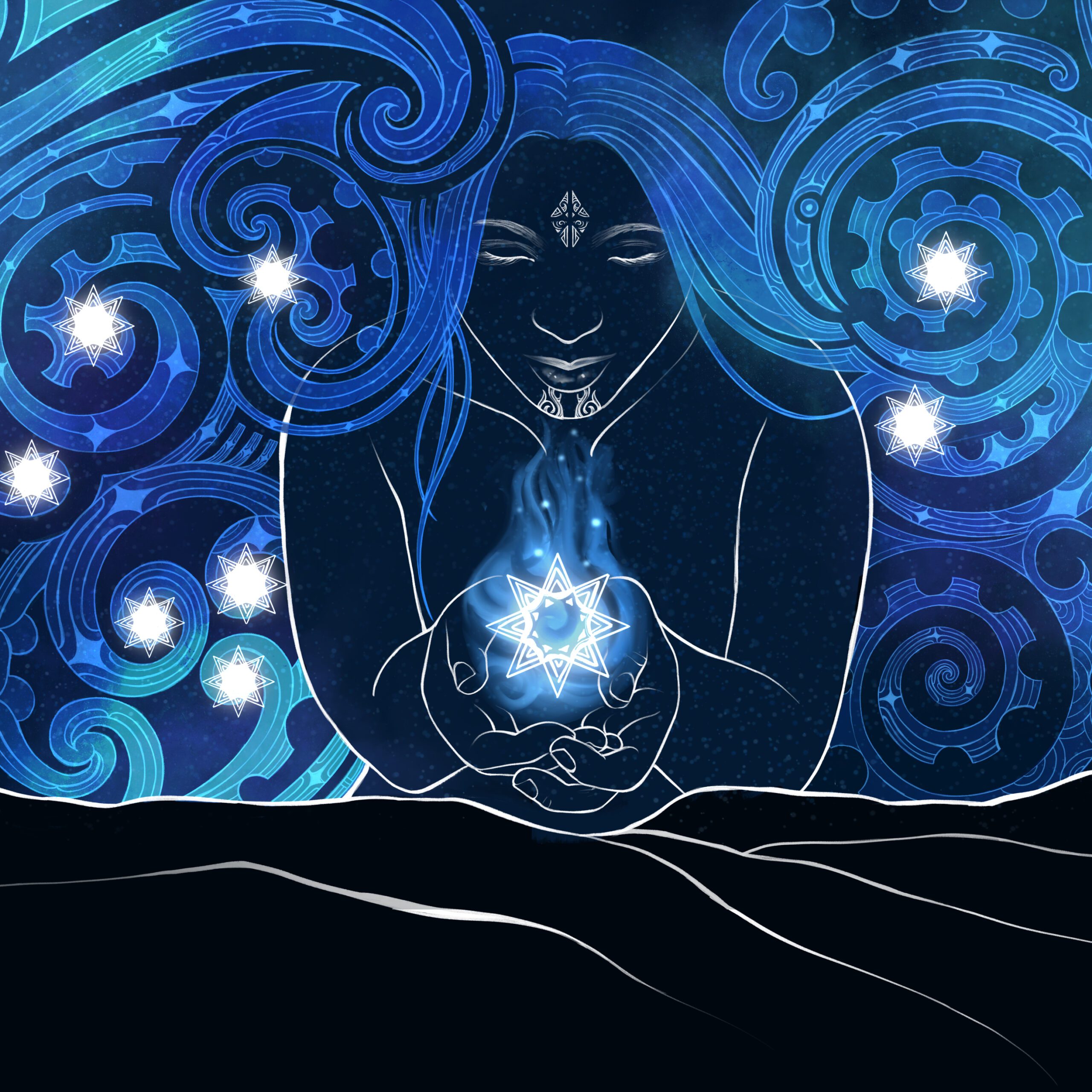
Matariki, also known as the Māori New Year, is celebrated in New Zealand and marks the rise of the Pleiades star cluster in the night sky. This event signifies a time of reflection, remembrance, and planning for the year ahead. Traditionally, it’s a time for families to gather, pay respects to their ancestors, and celebrate the cycle of life.


When to Celebrate?

Agence MayJune - Mediaslide

The celebration of Matariki occurs in late May or early June, depending on the lunar calendar. The exact date varies each year because it is determined by the sighting of the crescent moon, marking the beginning of the Māori New Year.


How to Celebrate?

5 fresh ways to celebrate Matariki with your family - Kiwi FamiliesMatariki is celebrated in various ways, including family gatherings, singing, dancing, and feasting. People might engage in activities such as storytelling, planting seeds for the upcoming year, or even creating artworks reflecting the stars. Celebrations also include community events where everyone can come together to learn and share.


How Many Stars and Their Names?

The Matariki star cluster consists of nine main stars, which are known as the Nine Sisters. These stars are: 

1. MatarikiMatariki artworks a koha to all - AUT News - AUT
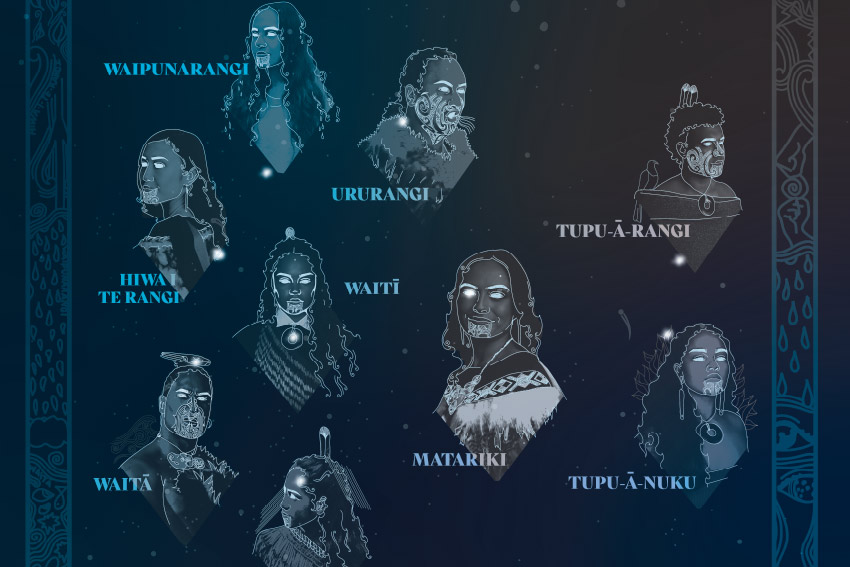
2. Pōhutukawa

3. Waitī

4. Waitā

5. Tupu-a-nuku

6. Tupu-a-rangi

7. Hiwa-i-te-rangi

8. Ururangi

9. Waipuna-a-rangi


What Does Each Star Represent?

Each star in the Matariki cluster has its significance:

– Waiti: This star symbolises freshwater sources and the life they support, encouraging us to take care of our rivers, lakes, and streams.


Waita: Connected to the ocean and marine life, this star emphasises the importance of sustainable fishing and ensuring abundant sea resources.


– Waipuna-a-rangi: Associated with rain and atmospheric water, this star represents our appreciation for the rain that nourishes all living things.


– Tupu-a-nuku: This star pertains to the food produced from the earth and serves as a guide for planting times. “Tupu” means to grow, and “nuku” relates to the earth.


– Tupu-a-rangi: Related to trees, birds, and food from the forest, this star reminds us of the gifts from nature, including the kereru, which is traditionally harvested during the Matariki season.


– Ururangi: Known as the star of the winds, it celebrates both gentle and strong breezes, and kite flying is a common tradition to honour Matariki.


– Pohutuakawa: This star connects the living with those who have passed away, honouring individuals who died in the previous year during the Matariki celebrations.


– Hiwa-i-te-rangi: Referred to as the wishing star, it is associated with aspirations, dreams, and setting goals for the upcoming year.

– Matariki: The leading star of the cluster symbolises care and well-being, with a bright Matariki indicating a promising year ahead.


Why Do the Dates for Matariki Change Each Year?

The dates for Matariki change each year because they are determined by the lunar calendar rather than the Gregorian calendar that many of us are accustomed to. The Māori lunar calendar follows the phases of the moon, which means that the observed rising of Matariki may not fall on the same date annually. This variability reflects the cycles of nature and holds cultural significance within Māori traditions.


Do Different Iwi Celebrate Matariki in Different Ways?

celebrate Matariki at your kura ...

Yes, various iwi (tribes) in New Zealand celebrate Matariki in unique ways, often incorporating their distinct traditions, languages, and cultural practices. While the core themes of remembrance, celebration, and new beginnings remain consistent, the specific activities and significance attached to them can vary greatly depending on the customs of each iwi.


Do Other Cultures Celebrate a Similar Thing?

Many cultures around the world have celebrations that coincide with the new year or are tied to cosmic events. For example, the Lunar New Year, celebrated in many East Asian countries, marks the beginning of a new year based on the lunar calendar. Similarly, other cultures may have harvest festivals or rituals honouring the stars and cosmic events, reflecting the universal human relationship with the cycles of nature.


Task

For the task we had to complete the slides I hope you enjoy!


Conclusion

Through this project, I have learned an incredible amount about Matariki, and I hope sharing this knowledge inspires you to explore and celebrate it as well. The process of answering and learning the slides was not only informative but also a joy as I uncovered various aspects of this beautiful tradition. I look forward to continuing my learning journey and deepening my understanding of our rich cultures. Thank you for reading, and I hope you found something valuable in this post.

Thanks for reading,

Shreeya
Matariki – Drama

Hello everyone, welcome back to my blog. Today in Drama, we explored Matariki, learning about its significance and reading a short passage. In this post, I’ll share what Matariki is, when and how it’s celebrated, the music involved, and our related task. Enjoy!

What is Matariki?

How to celebrate Matariki | NewmarketMatariki, also known as the Māori New Year, marks the rise of the Pleiades star cluster in the winter sky. This celebration signifies the end of the old year and the beginning of a new one, traditionally associated with renewal, reflection, and hope. It is a time for honouring the past, celebrating the present, and preparing for the future, emphasising connections with family, community, and the environment.


When do they celebrate?

Matariki is celebrated in mid-winter, typically in late May or early June, according to the lunar calendar. The exact timing can vary, as it is determined by the first sighting of the Matariki constellation in the sky. The celebration typically lasts several days and involves a range of cultural activities and festivities.

black and white letters letter letter ybrown and black letter m

How do they celebrate?

Wānaka Matariki Celebrations (Youth blog)

Celebrations include a variety of activities such as communal gatherings, feasts, performances, and ceremonies. Families and communities often come together to share stories, perform traditional arts, such as weaving and carving, and reflect on those who have passed. Many also take the opportunity to plant new trees and gardens as a symbol of growth and renewal. Fireworks, light displays, and various cultural performances showcase Māori traditions and promote understanding and appreciation of their rich heritage.


What type of music do they have?

Ngā waiata o Matariki - songs of ...

Matariki celebrations often feature traditional Māori music, which includes waiata (songs), haka (dances), and instrumental performances using traditional instruments such as the pūtaatara (trumpet) and the poi (dance with balls on strings). Contemporary Māori artists also contribute to the celebrations, incorporating modern musical styles while honouring traditional themes, often creating a vibrant fusion of past and present.


What we did today

Today in P1 for our drama class, we participated in a special activity celebrating Matariki. We were tasked with selecting a Matariki song to perform, and my group, comprising Felice, Addison, Bella, and me, chose the song “Matariki Stars Macarena.” We practised the performance several times, focusing on our movements and synchronisation to make it fun and engaging. After rehearsing, we feel confident and ready to showcase our hard work. Here is the video of our song we are performing too.


Thanks for reading,

Shreeya