Hello everyone. Welcome to my very first blog post of 2025. Today, I’m going to talk about an important topic in the field of science: Safety in the Laboratory. As we undertake our various experiments and explorations, understanding and prioritising safety protocols is crucial. In this post, I will be discussing key things, and Hazchem symbols and show a task we had to do.
Safety in a Science Lab
1. Goggles
Safety goggles are one of the most important pieces of protective equipment in any science laboratory. They should always be worn when we are conducting experiments that involve fire, chemicals, or any other potentially unsafe materials. Goggles protect our eyes from harmful splashes and flying debris. Even when we might think a method is safe, it’s always better to stay on the safe side by wearing goggles. Conforming that our eyes are shielded is a necessary step in keeping ourselves out of danger.
2. Tying or Tucking Long Hair
If you have long hair, it’s essential to tie it back or tuck it in your jacket/shirt securely. Loose hair can easily come in contact with flames, chemicals, or equipment, which is a significant risk. By ensuring our hair is safely secured, we reduce the chances of accidents and maintain a safer workspace.
3. Closed Toe Shoes
Appropriate footwear is another critical part of lab safety. Wearing closed-toe shoes provides protection for our feet against spills, falling objects, and any other hazards that might occur in the lab environment. Sneakers or sturdy shoes are ideal, sandals or open-toed footwear should be avoided to ensure full safety.
4. Disposing of Broken Glass
One of the most important rules in the lab is to handle broken glass properly. If you experience any broken glass, it must be disposed of immediately in the designated glass disposal bin. Never attempt to pick up broken pieces with your hands, as this can lead to injury. Always use a broom and dustpan or call for assistance if necessary to ensure a safe clean-up.
5. Keeping Water Away from Electricity
Water and electricity are a dangerous combination. It is crucial to keep water away from any electrical equipment and outlets. Confirm that all sources of water, such as sinks, are located at a safe distance from electrical devices to prevent short circuits or accidents.
6. Report Any Incidents Immediately
If anything goes wrong in the lab, whether it’s a spill of chemicals, injury, or broken equipment, it’s crucial to report it straight to the teacher or lab supervisor. Quick and clear communication helps confirm that the issue is handled, minimising risks and maintaining a safe environment for everyone.
7. No Food or Drink in the Lab
Labs are not places for eating or drinking. Consuming food or beverages in the lab can lead to pollute and increase the risk of consuming harmful substances or chemicals. It is crucial to keep food and drinks out of the laboratory space to protect our health.
Hazchem Symbols
Familiarising ourselves with Hazchem symbols is key to understanding potential hazards associated with various substances in the lab. Here are the two I noted down:
 – Health Hazard ⚠️: This symbol means that the property is dangerous and can hurt your health if you breathe it in, eat it, or if it gets on your skin. It’s a reminder that you need to be super careful when you handle these materials and always wear the right protective gear.
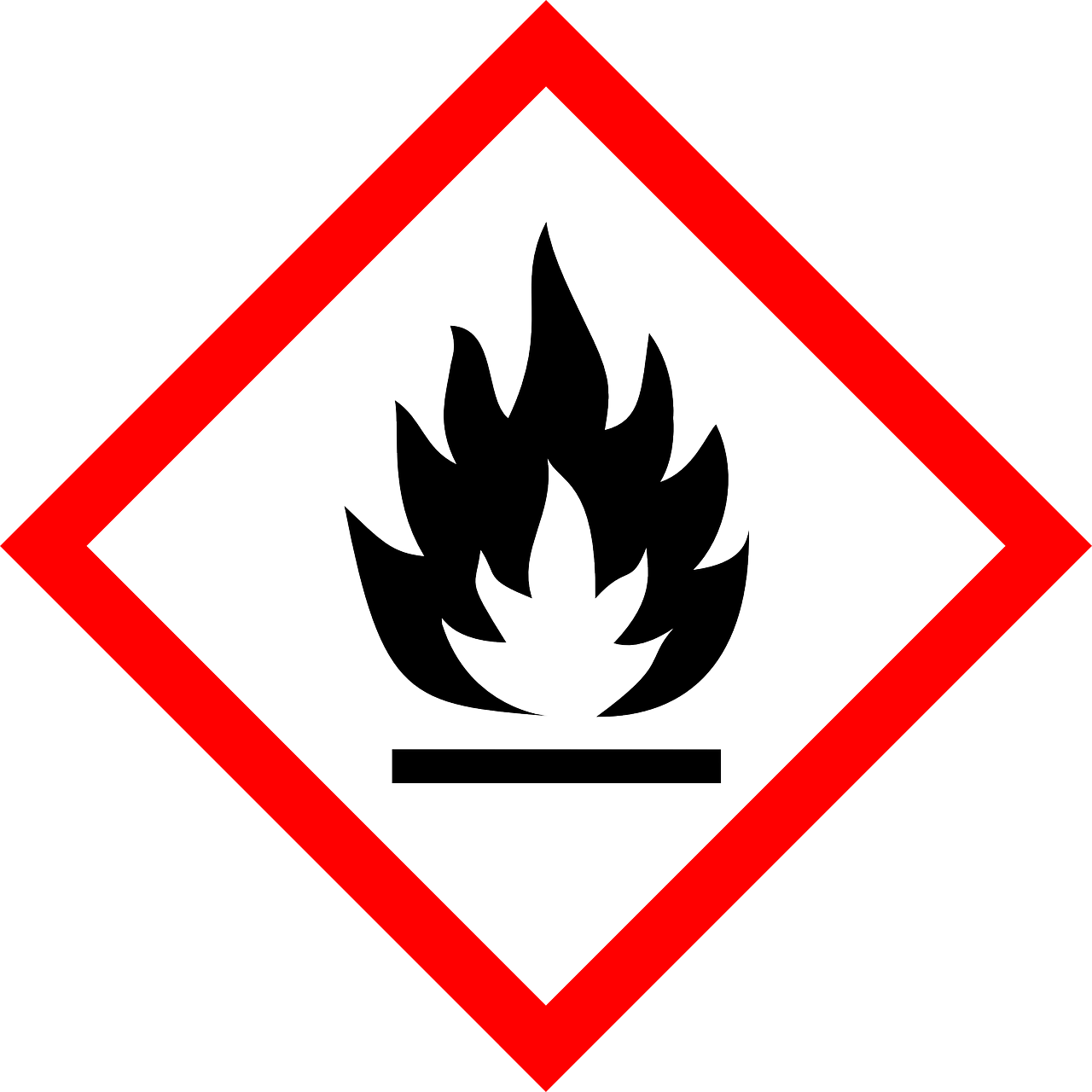 – Flammable 🔥: The flame symbol on a Hazchem label shows that the material is flammable and presents a fire risk. When working with flammable substances, it is crucial to follow safety protocols and keep them away from any heat sources or open flames.
Task –
After learning all of this, we had to create a poster using Google Docs, which required us to include four additional Hazchem symbols along with their meanings or what it does, eight safety tips for the lab, and some relevant images to illustrate our points visually. This task not only reinforced our understanding of the hazards in the laboratory.
Click to view

Video
Reflection
I found this task to be quite easy and enjoyable, particularly because it allowed me to explore new symbols, learn their names, and understand their meaning. Engaging with this topic was not only informative but also opened my eyes to various safety symbols and their importance.
One of the highlights of the lesson for me was the Kahoot quiz at the end, which focused on Hazchem symbols. It was a lot of fun, as it challenged us to think critically about the symbols and ask ourselves questions like, “Is that flammable or toxic?” This interactive element of Hazchems really brought the learning experience of different symbols.
Overall, I truly appreciated this lesson and the opportunity it provided to deepen my understanding of useful communication about safety in the laboratory. I hope to participate in more fantastic lessons like this because science is very fun.
Conclusion
In conclusion, safety in the laboratory is very important. By following these guidelines and understanding the necessary protection, we can create a safe and effective environment for scientific exploration. I am going to make the most of my experiments safe by not doing anything wrong.
Thank you for reading, and I look forward to sharing more blog posts with you
Shreeya