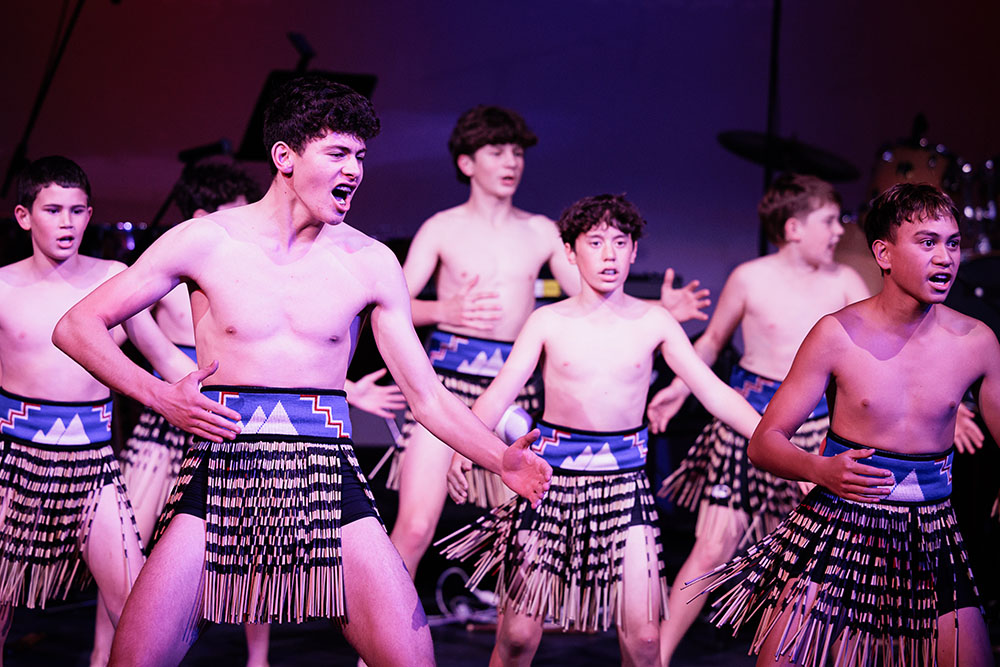
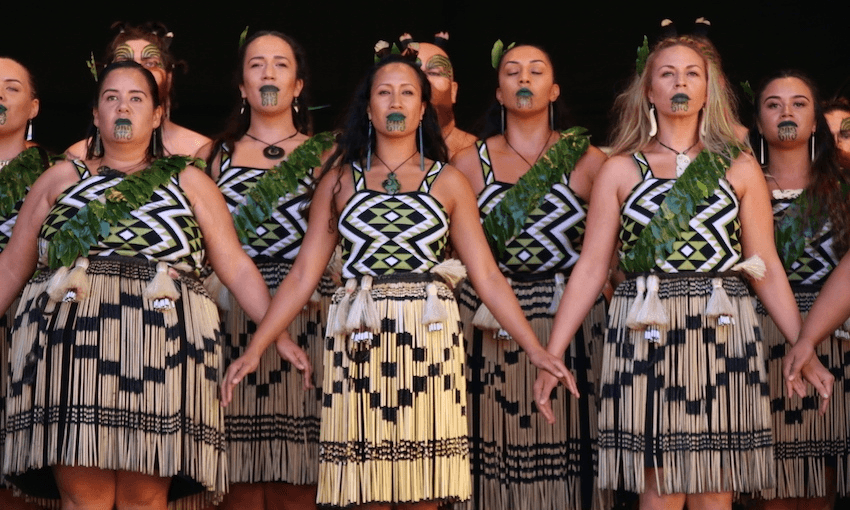
Kia Ora, welcome to my third blog post about dance. I’m excited to talk about today’s topic: Maanakitanga, this concept which embodies hospitality, kindness, and support, holds a significant place not only in Maori culture but also in the world of dance. In this post, I aim to reflect on what Maanakitanga means, why is Maanakitanga important in dance, and how to show Maanakitanga.
What is Maanakitanga? –
Maanakitanga goes beyond just being nice or welcoming. It encompasses a deeper understanding of connection and empathy among individuals. When we apply this concept to dance, we find that Maanakitanga enriches the experience for both dancers and audiences alike. In a dance setting, it encourages us to look after one another, ensuring that everyone feels valued and included, whether we are rehearsing in a studio or performing on stage.
Why is Maanakitanga important in dance? –
Maanakitanga is really important in dance because it brings a sense of community and unity to the art form. When dancers practice this concept, they create an environment where everyone feels supported and valued. This support allows dancers to take risks, express themselves, and explore their creativity without the fear of judgment. Imagine rehearsing with a group where everyone encourages each other, celebrates achievements, and provides constructive feedback. This kind of atmosphere not only enhances individual growth but also strengthens the overall performance as a team.
Additionally, Maanakitanga helps build trust among dancers. When everyone feels safe and respected, they are more willing to share their ideas and collaborate. This collaboration often leads to more innovative and unique performances that reflect the diverse thoughts and feelings of the group. In a world where dance can sometimes feel competitive, Maanakitanga reminds us that it’s not just about winning or being the best, it’s about the relationships we build and the joy we find in dancing together.
How can we show Maanakitanga in dance?
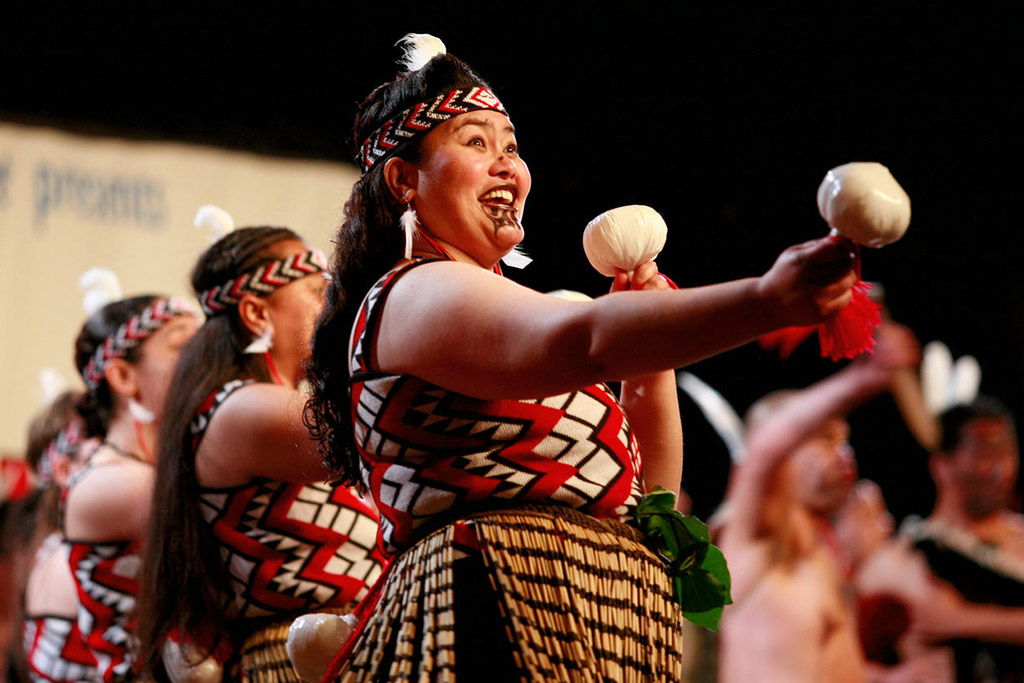
We can show Maanakitanga in dance through simple yet powerful actions. First, we can start by being inclusive. This means welcoming newcomers and making sure everyone feels like they belong. A simple smile or a friendly greeting can go a long way in making someone feel accepted. Sharing space during rehearsals and allowing others to express themselves freely without interruptions also demonstrates Maanakitanga.
Another way to practice Maanakitanga is to give positive feedback. When someone performs well, whether in a class or on stage, acknowledging their hard work and talent encourages them to keep pushing themselves. Constructive criticism is also important, it helps artists grow, but it should always be delivered in a kind way.
We can also team up with others during practice, offering to help each other with routines or learning new steps. Supporting one another during challenging moments shows we care and fosters a sense of camaraderie. Lastly, celebrating each other’s achievements, no matter how big or small, reinforces the idea that every dancer’s journey is important.
How can people be included using Maanakitanga?
To include everyone through Maanakitanga, it’s essential to focus on creating an environment where each person feels heard and respected. This means giving everyone a chance to share their ideas during rehearsals. As a group, you can brainstorm together and incorporate everyone’s suggestions. When planning performances, consider each dancer’s strengths and interests, ensuring they have a role that highlights their unique talents.
Inclusivity can also mean adapting activities or routines so that everyone, regardless of their skill level, can participate. For example, if someone is struggling with a particular move, a more experienced dancer can help them learn it, reinforcing the spirit of Maanakitanga.
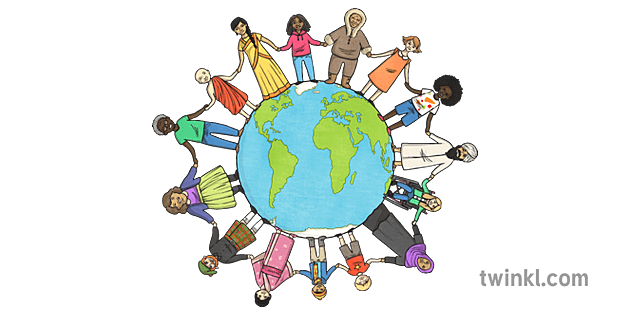
Creating diverse groups for projects can also be beneficial. It allows dancers from different backgrounds and experiences to interact and learn from one another. This not only enriches the dance experience but also helps to break down barriers and build friendships.
In conclusion, Maanakitanga is not just a concept, it’s a way of life in the dance community. By showing hospitality, kindness, and support, we can create a dance environment where everyone thrives. Together, let’s embrace Maanakitanga and make our dance journeys not just about perfecting our moves but also about celebrating each other as a vibrant and diverse community.
Conclusion
In conclusion, Maanakitanga is vital in dance, shaping the way we interact and grow together as a community. By embracing Maanakitanga, we create a nurturing environment where everyone’s contribution is valued, leading to richer artistic expressions and personal growth. So, let’s commit to fostering Maanakitanga in our dance practices, remembering that the essence of dance is not only about movement but also the connections we build along the way. Hope you enjoyed today’s exploration of this concept.
Thanks, I hope you felt this informative
Shreeya


 Create an Online Group